by Nick Anderson | Mar 19, 2026 | Plane Tales
Podcast (pt): Download
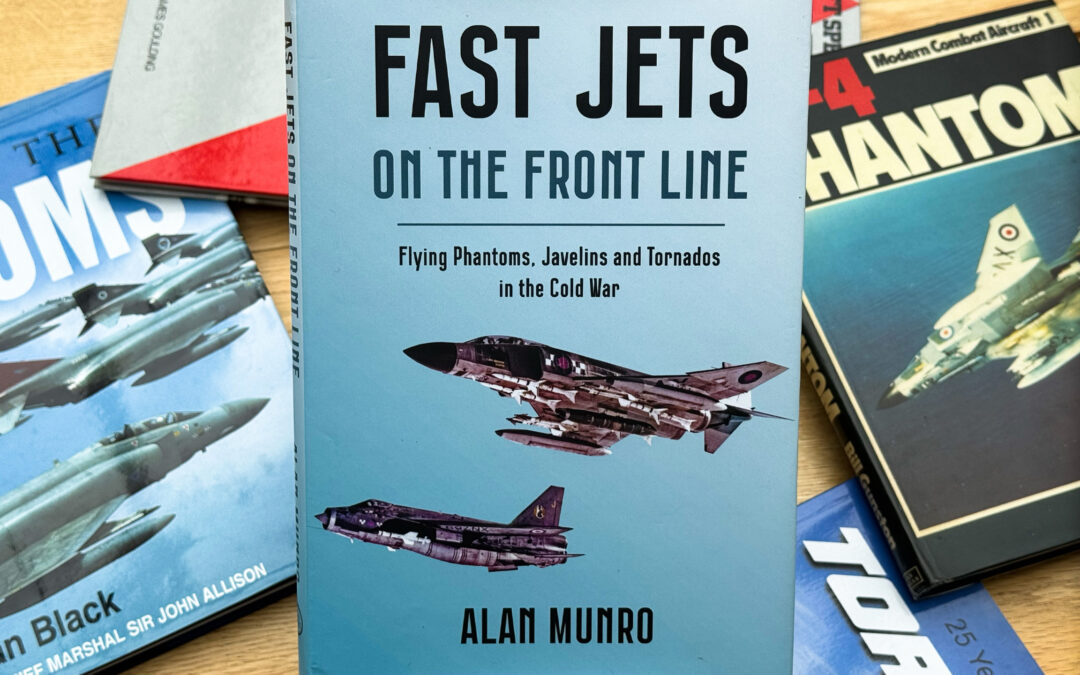
The second part of an interview with Alan Munro, retired RAF pilot and Cold War warrior, where we talk about his book… Fast Jets on the Front Line.

A 19 Sqn F4 Phantom
A 228 OCU F4 Phantom
An RAF Chinook helicopter
The back seat of a Phantom
Berlin’s infamous Checkpoint Charlie
The RAF’s Winter Survival Course
Images published under Creative Commons licence with thanks to Rob Schleiffert, Gerard van der Schaaf, The RAF/MOD, the US Army,
by Nick Anderson | Feb 3, 2026 | Plane Tales
Podcast (pt): Download
In this tale we listen to part of an interview with author Alan Munro who talks about his recent book, Fast Jets on the Front Line.
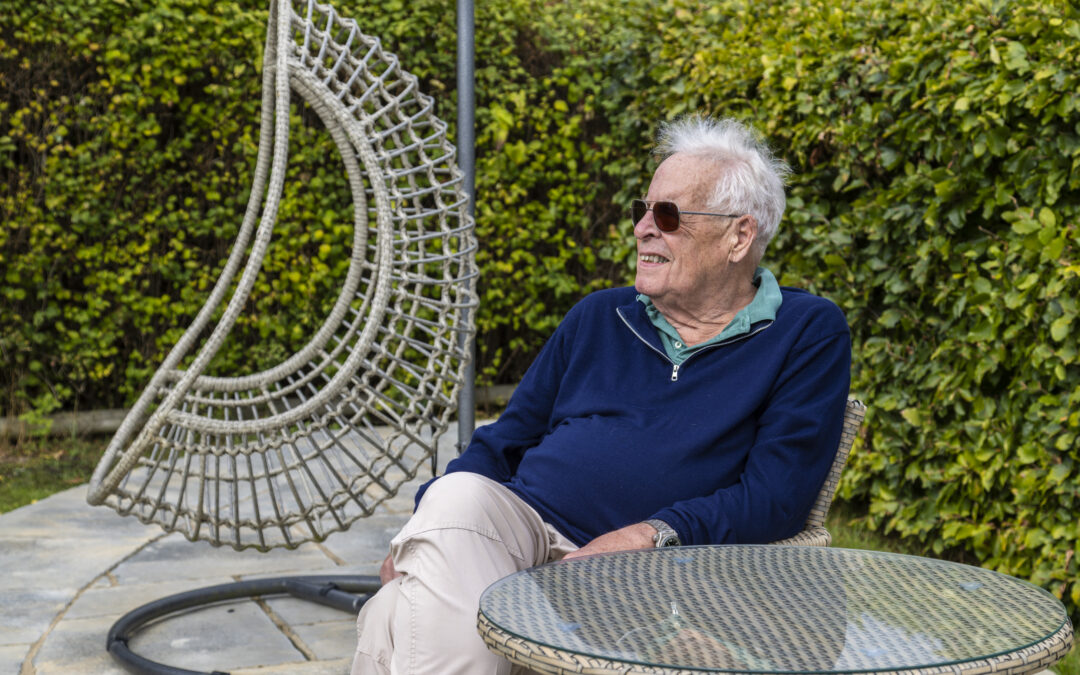
Interviewing Alan
The Gloster Javelin
A 29 Sqn F4 Phantom
The RAF’s Harrier GR1
Images are shown under the Creative Commons licence with thanks to the RAF, Alan Munro, Hawker Siddeley and Nick Anderson.
by Nick Anderson | Feb 3, 2026 | Plane Tales
Podcast (pt): Download
A tale that might have been forgotten but here it is from APG670!
This tale isn’t about me operating into the massive aviation hub of Chicago O’Hare Airport but of how it got its name. For that, I’m going to take you back into Chicago’s seedy past to the days of Prohibition and the notorious gangster, Al Capone.
Enjoying a beer in Chicago!
Destroying beer during Prohibition.
Al Capone and Easy Eddie
Capone’s mug shot
The murder of Easy Eddie
VF3
The Thatch Weave
O’Hare and his Wildcat
O’Hare is presented with the Medal of Honor
A tribute to Edward O’Hare at the airport that bears his name
Images under Creative Commons licence with thanks to the Library of Congress, the US Gov, the FBI, the USN, the Cradle of Aviation Museum, the Newberry Library, Raysonho and the National Archives.
by Nick Anderson | Aug 13, 2025 | Plane Tales
Podcast (pt): Download
Delving into my log book yet again I recall thatI had flown a couple of supernumerary trips to John F Kennedy airport in New York, sitting in the back of the cockpit watching how it was done but now it was my turn to clamber into the hot seat to start my line training with Virgin Atlantic. I was also flying with the Chief Pilot so absolutely no pressure!
Compared with the Airbus A340, the old Boeings were beginning to look a bit like dinosaurs!
The confusion of aircraft flying over the Atlantic only really became apparent when they were all leaving contrails!
With the early MCDUs it was possible to outpace the processor that was trying to keep pace with your key presses.
Despite the plethora of satellites whizzing around the world, the world of aviation still often relied on old fashioned HF radios for communication.
The data we used to plot our position on maps came from the same source as that that guided the aircraft!
I was surprised to see that this famous airport still regularly used approach aids common in much less developed countries.
Images used under a creative commons licence with thanks to Nick Anderson, NATS, Airbus and the UK Gov.
by Nick Anderson | May 26, 2025 | Plane Tales
Podcast (pt): Download
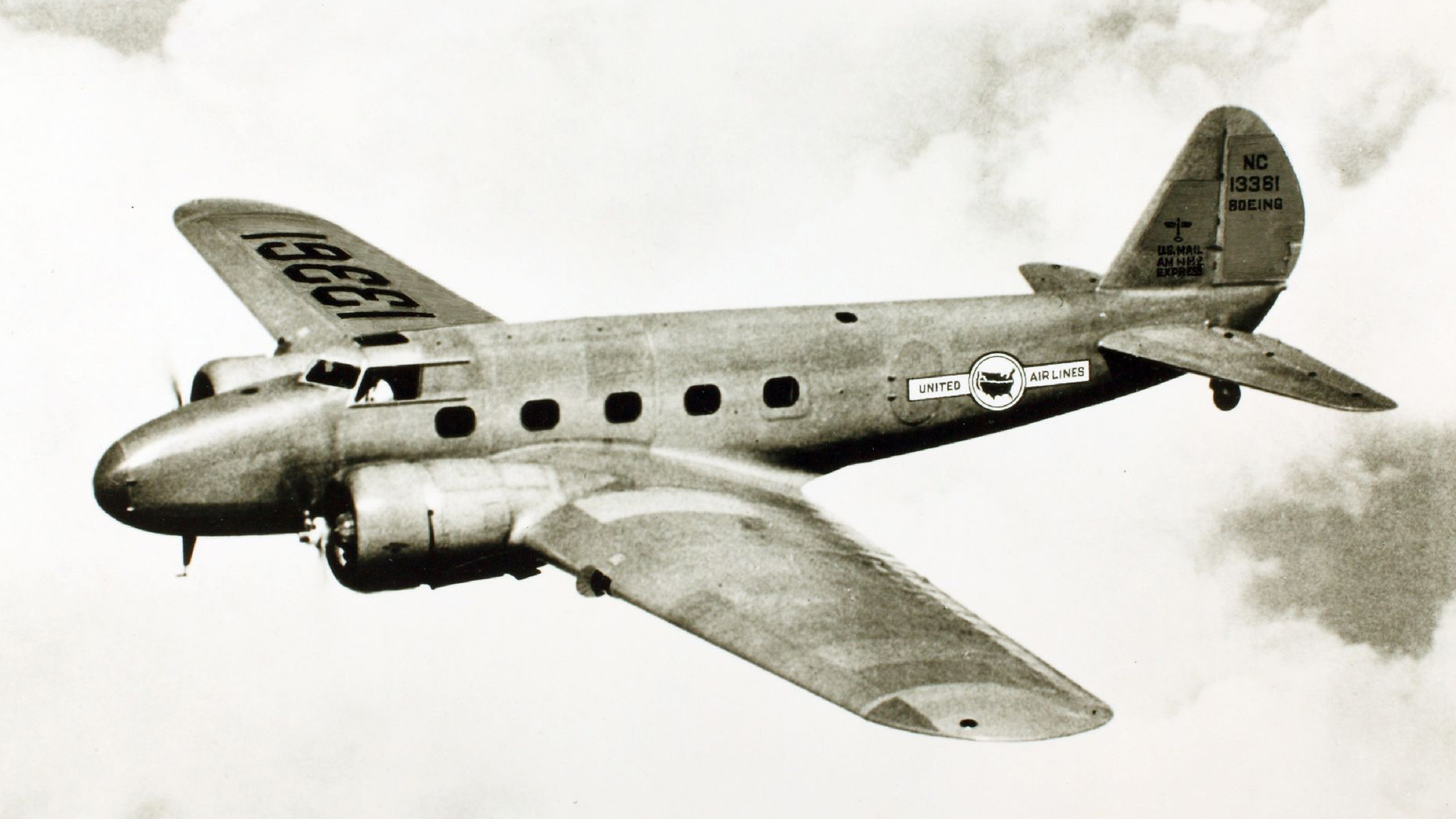
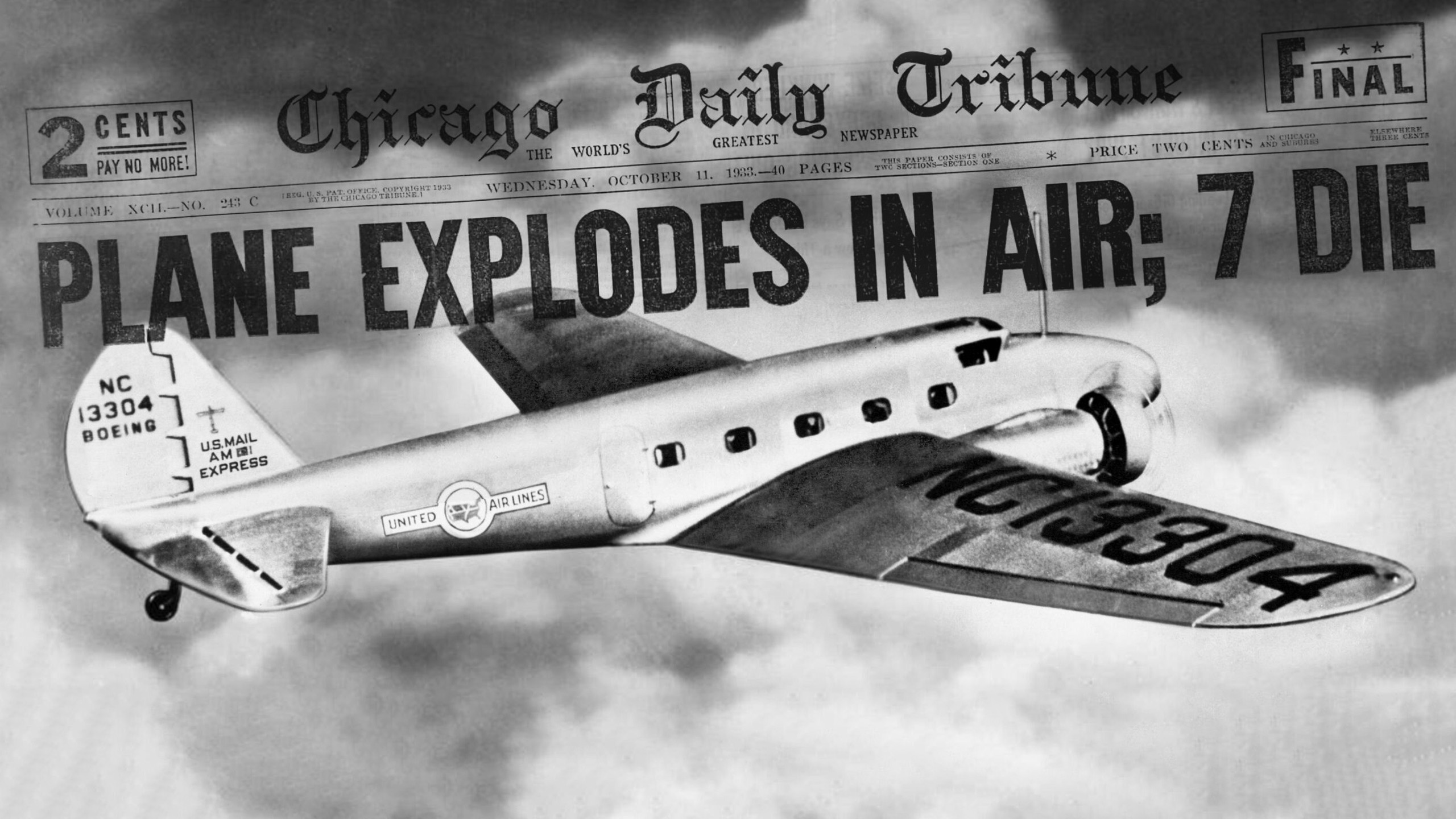
From the French word saboter, sabotage refers to the act of bungling, botching or wrecking something, particularly for political or military aims. It is derived from the French word for a wooden shoe, a sabot and likely refers to clumsy work carried out by those peasants who clattered about in such simple footwear. The world of aviation escaped known acts of sabotage until 1933 when a sleek and streamlined Boeing 247 of United Air Lines Flight 23 taxied to the departure gate at Newark Airport to allow it’s passengers to embark. At a time when most airlines were flying flimsy wood and cloth biplanes that looked like old World War One bombers, and indeed many were, Boeing were ahead of the game.
The Boeing 247
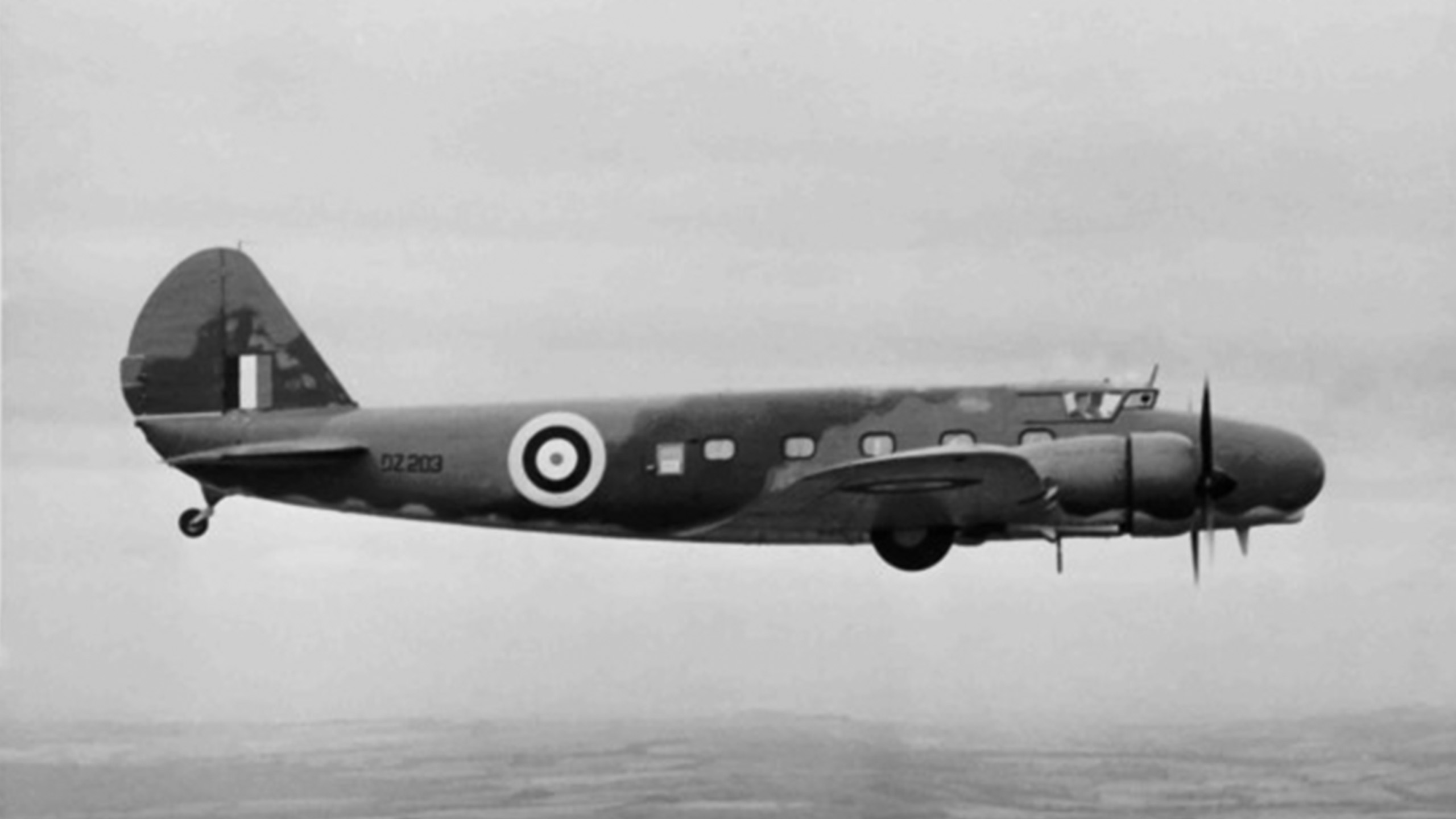
An early 247 with the forward sloping windshield flying for the Royal Air Force
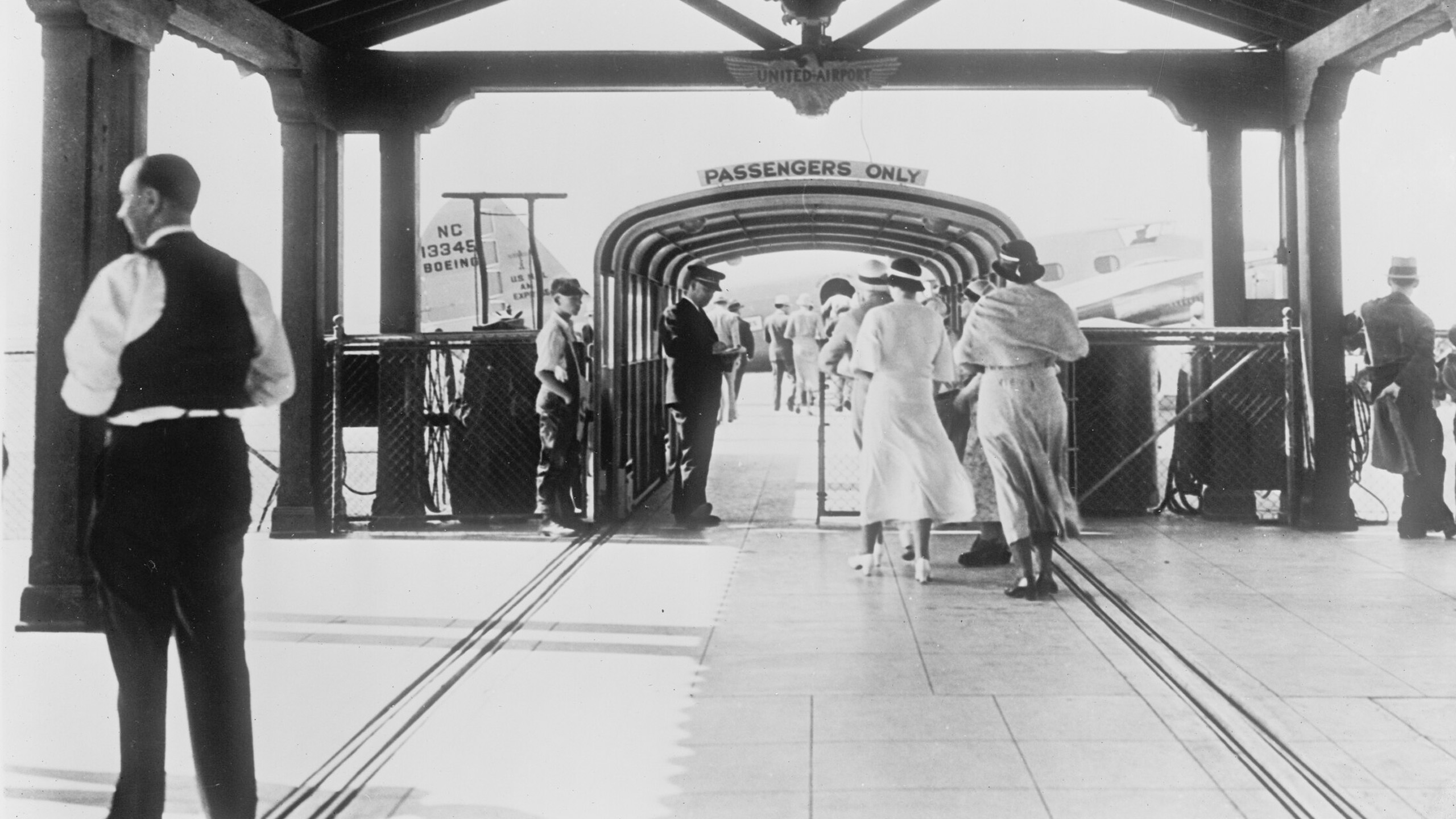
Passengers embarking on a United 247 NC13345 which later crashed into a hill in dense fog and burned.
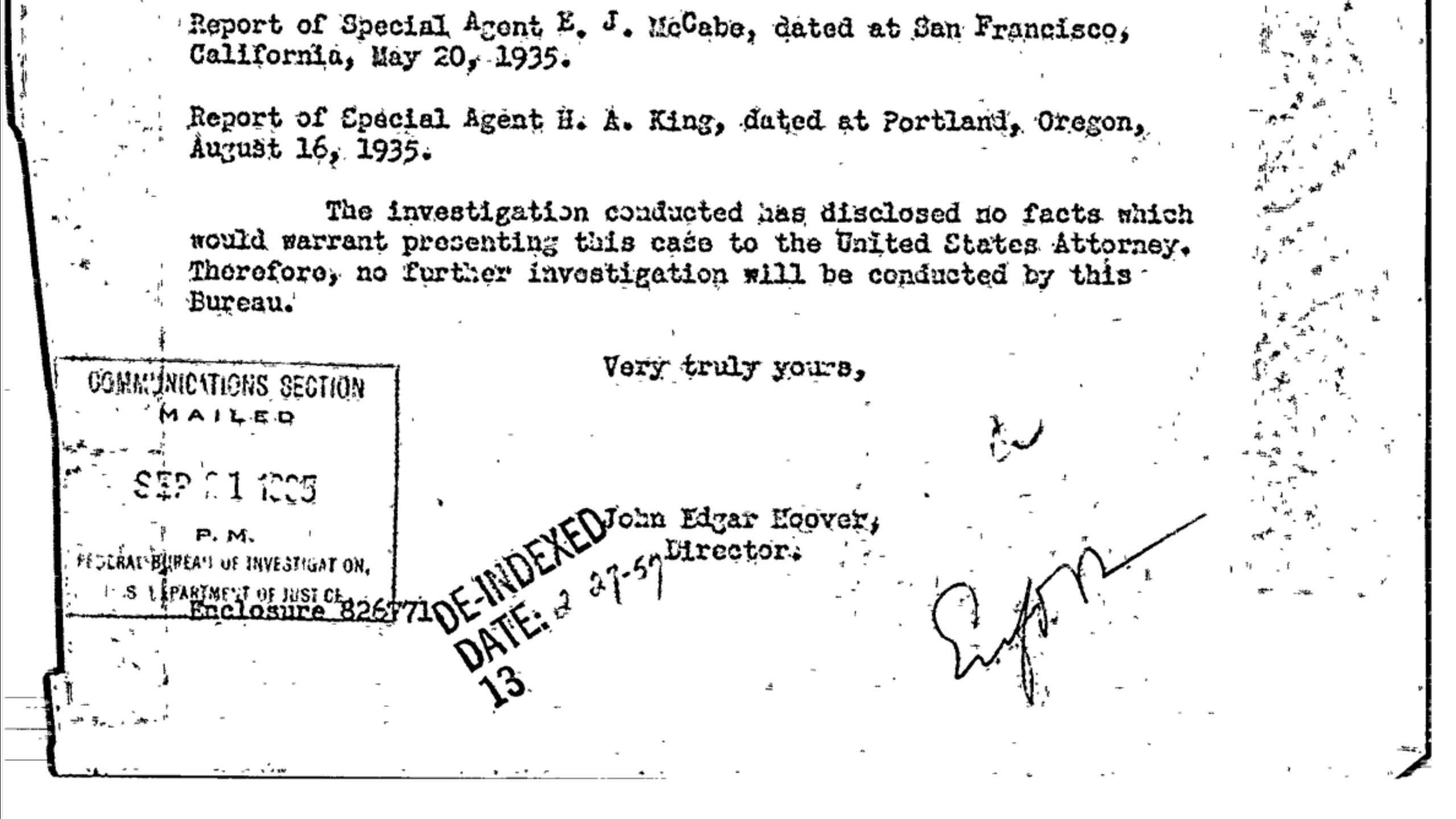
J Edgar Hoover’s letter closing down the sabotage investigation
Images under Creative Commons licence with thanks to Boeing, the SDASM, the RAF, United Airlines, the Library of Congress, the Chicago Tribune and the FBI.