The Upkeep mine was at last working and 617 Squadron had worked up to a level of skill that was unmatched amongst the Bomber Command units. The waters of the Ruhr dams had reached their peak and the moon was waxing gibbous towards being full. At last, all the preparation and training was going to be put to the test and the Dambusters raid was on!
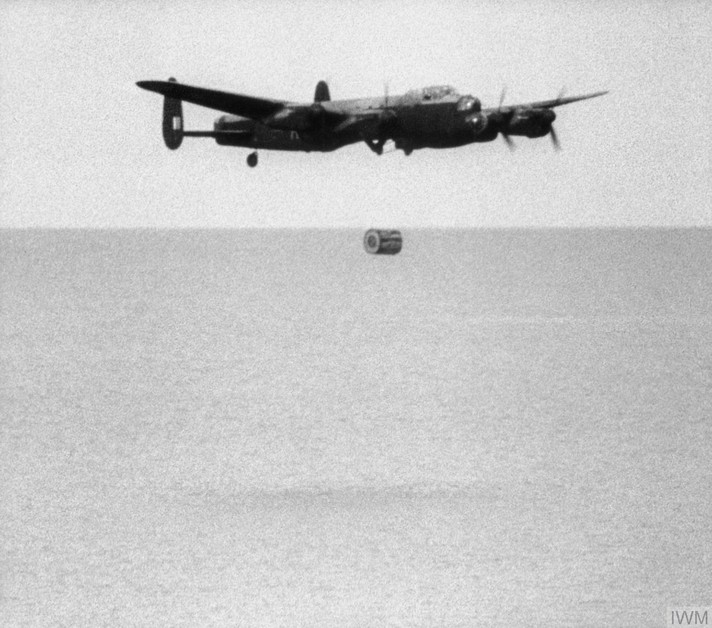
At last… Upkeep had proved itself capable of being successfully dropped.
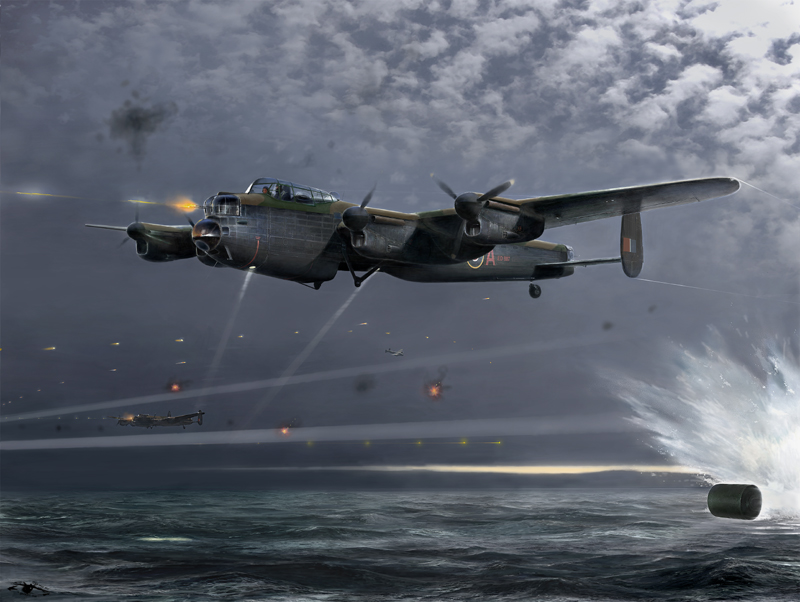
A painting depicting the attack.
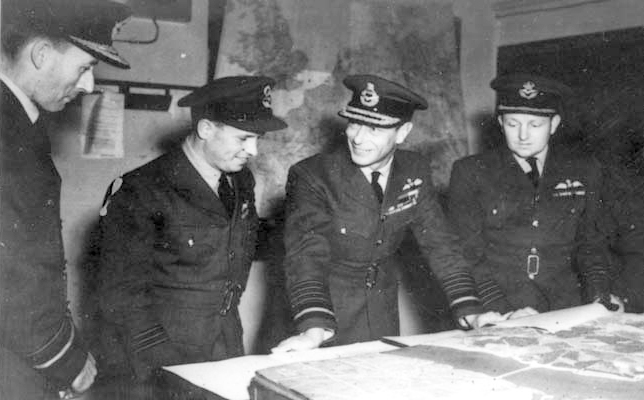
Air Vice Martial Cochrane, Wing Commander Guy Gibson, King George VI and Group Captain Whitworth discussing the ‘Dambusters Raid’ in May 1943
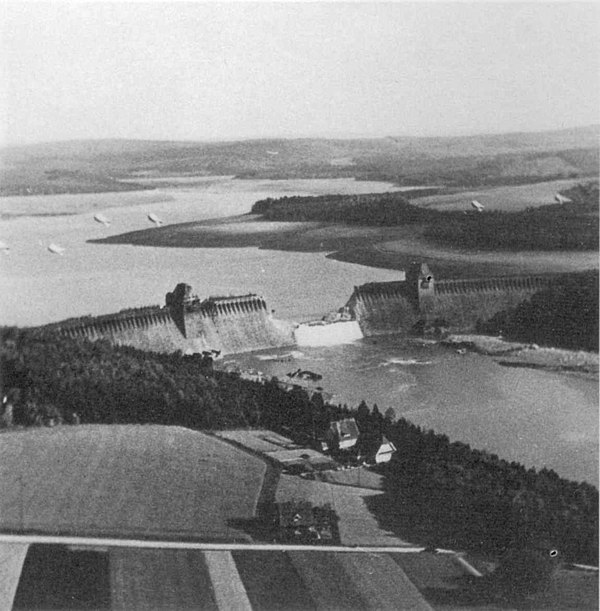
The day after the raid showing the damage done to the Mohne dam. Belatedly, barrage balloons have appeared over the dam.
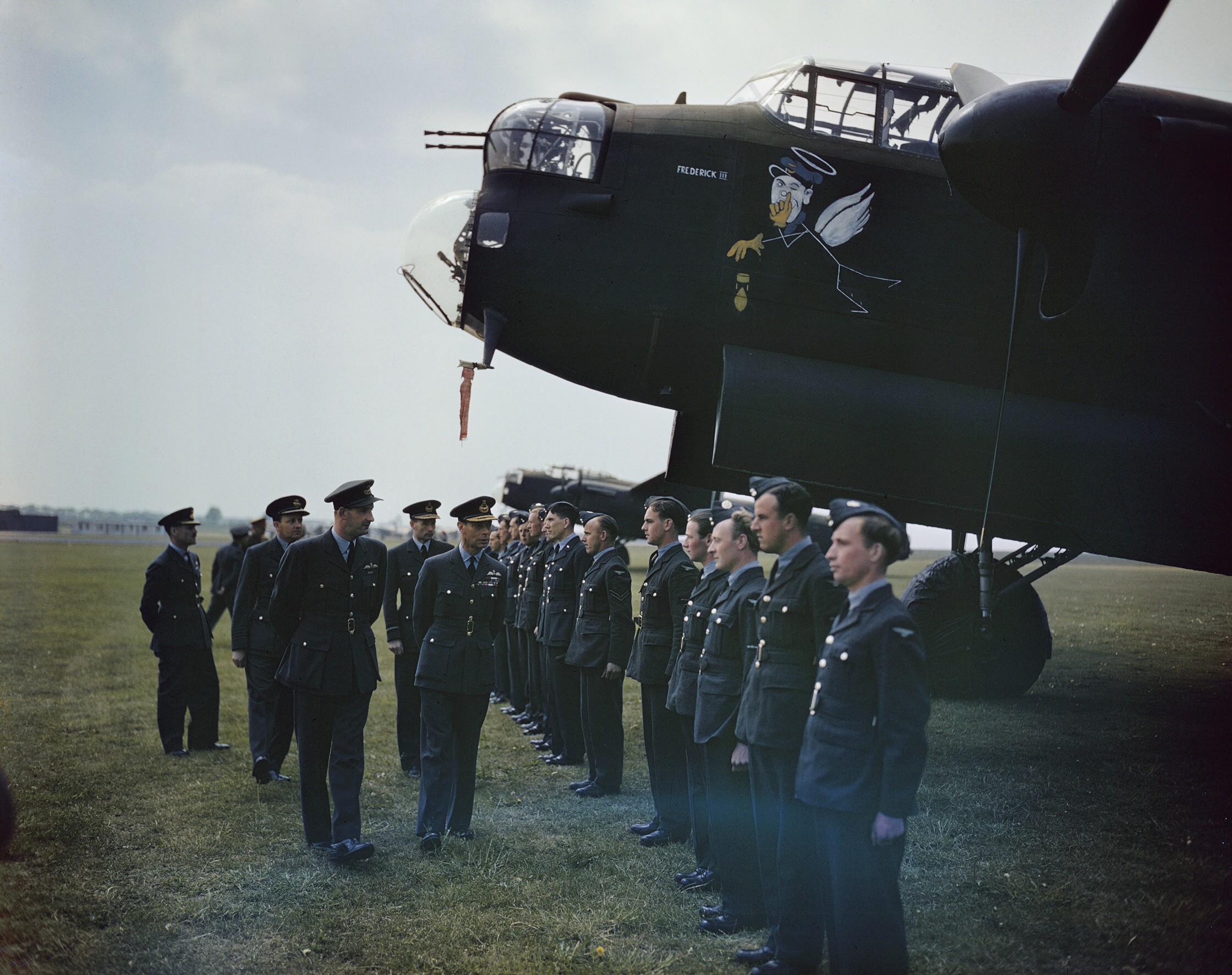
A visit by King George VI to 617 Squadron after the raid.
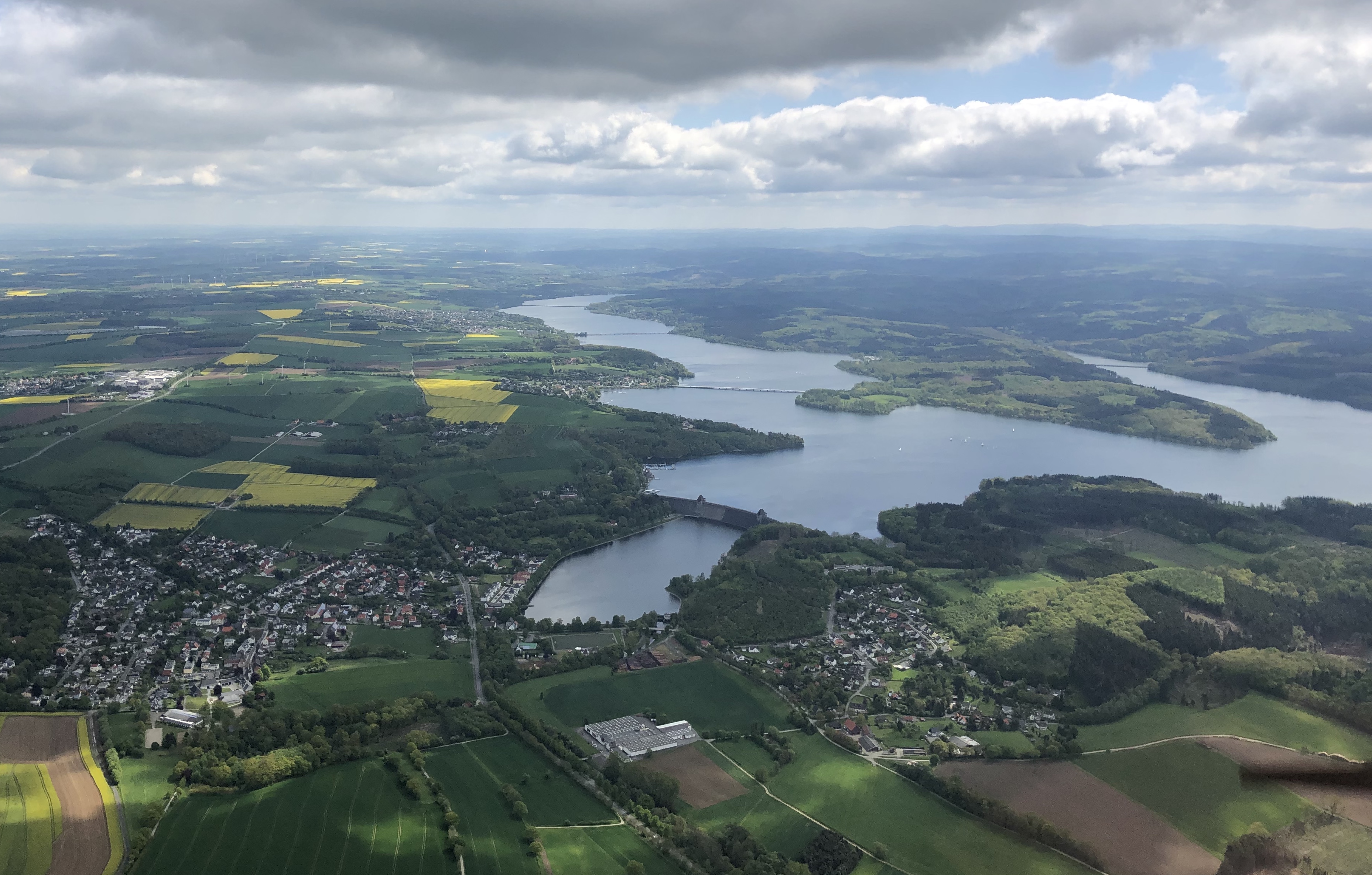
The Möhne dam as it looks today. A photograph taken by APG listener Emiel Achterberg from a C172 although he is also a keen balloonist.
Images under Creative Commons licence with thanks to 617 Sqn, the Imperial War Museum, Flying Officer Jerry Fray RAF, an RAF official photographer and APG listener Emiel Achterberg.
This is part three of a quadrilogy of stories about the Dambuster’s raid on the great dams of the Ruhr valley by No 617 Squadron. Wallis faced an uphill struggle to convince the Air Ministry that his idea of bouncing a huge mine across the surface of the reservoirs, over torpedo nets and right up to the dam walls was feasible. When finally given the go ahead he only had a few months to complete testing and then build a successful weapon. In the meantime, a new Lancaster squadron had to be formed and trained. This is a remarkable story of genius and tenacity in equal parts.
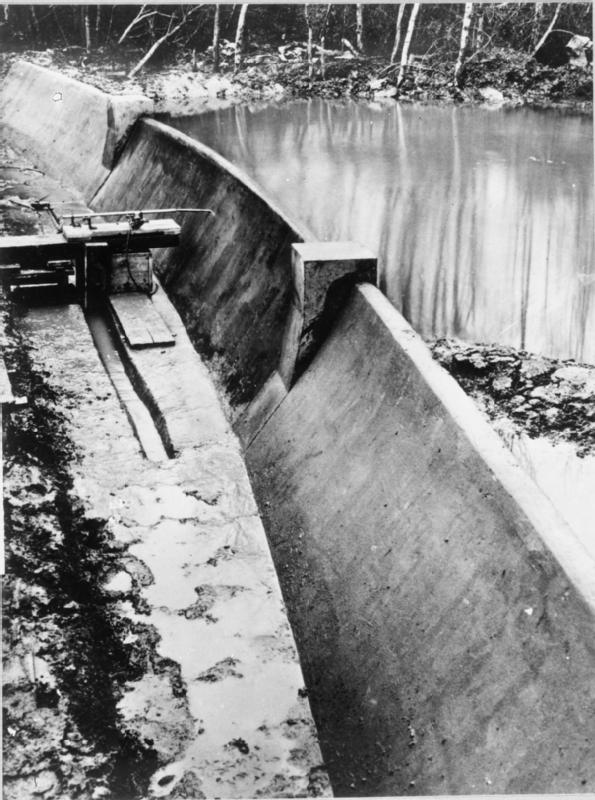
A 1:50 Scale model of the Mohne Dam, blown up to demonstrate where the Upkeep mine should be placed.
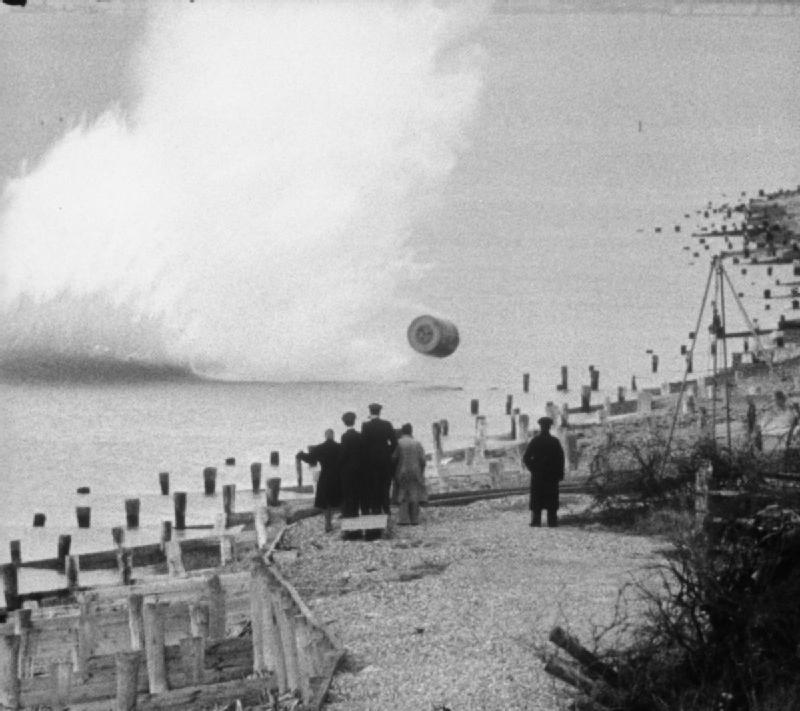
Barnes Wallis watches a successful trial of Upkeep at Reculver.
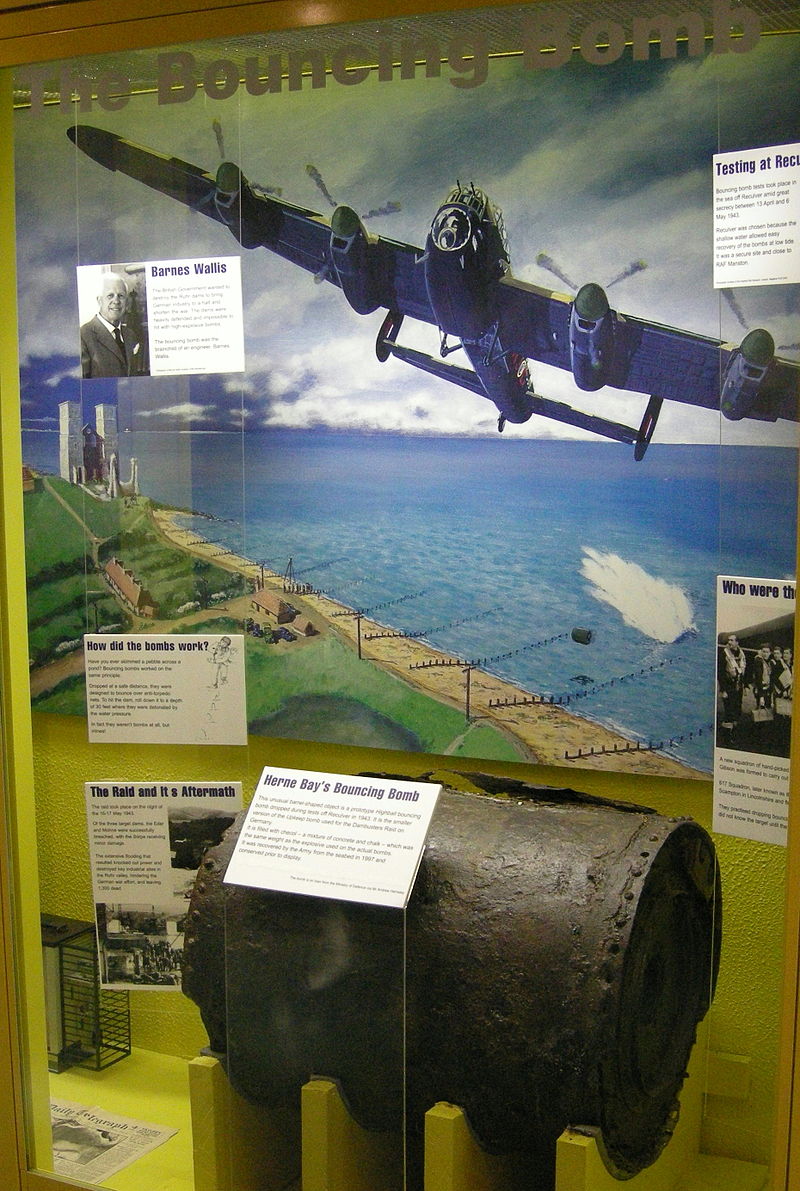
A trail weapon recovered from Hearne Bay.
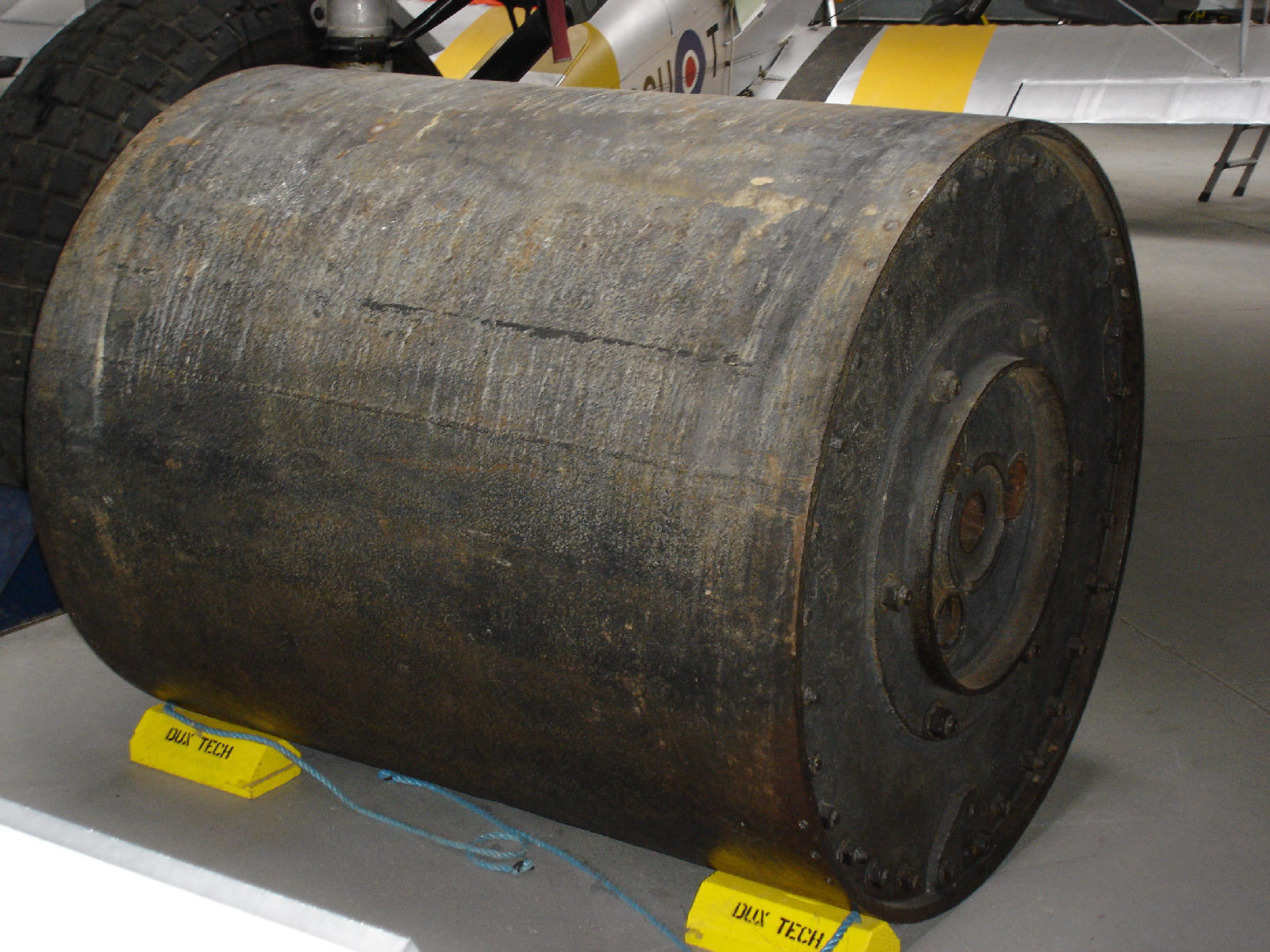
A surviving Upkeep mine.
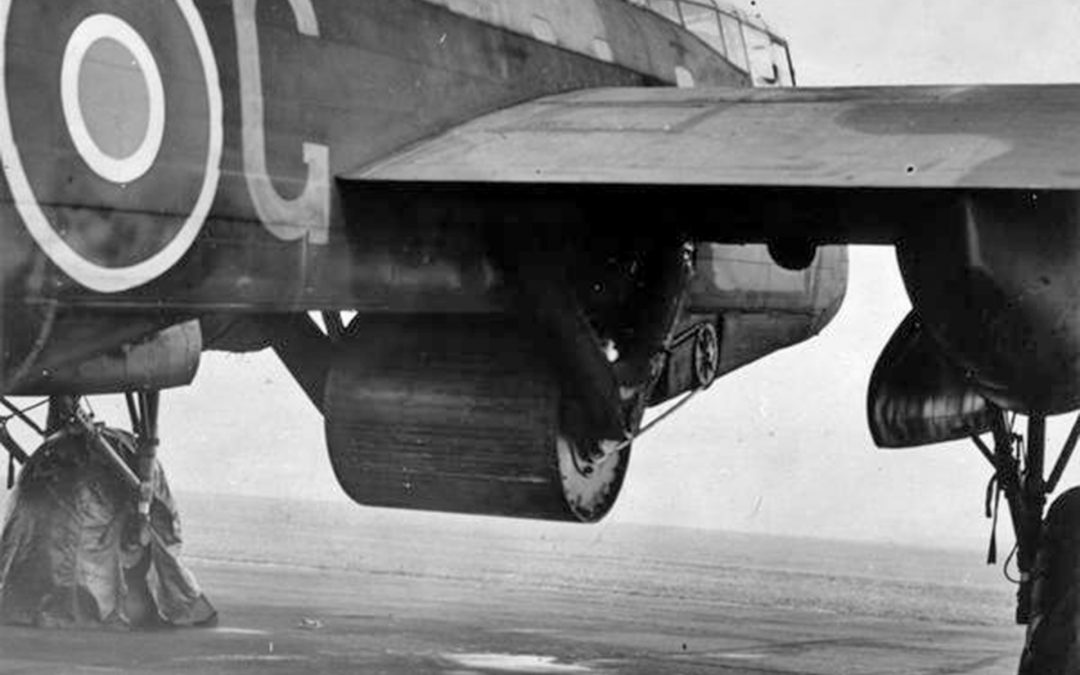
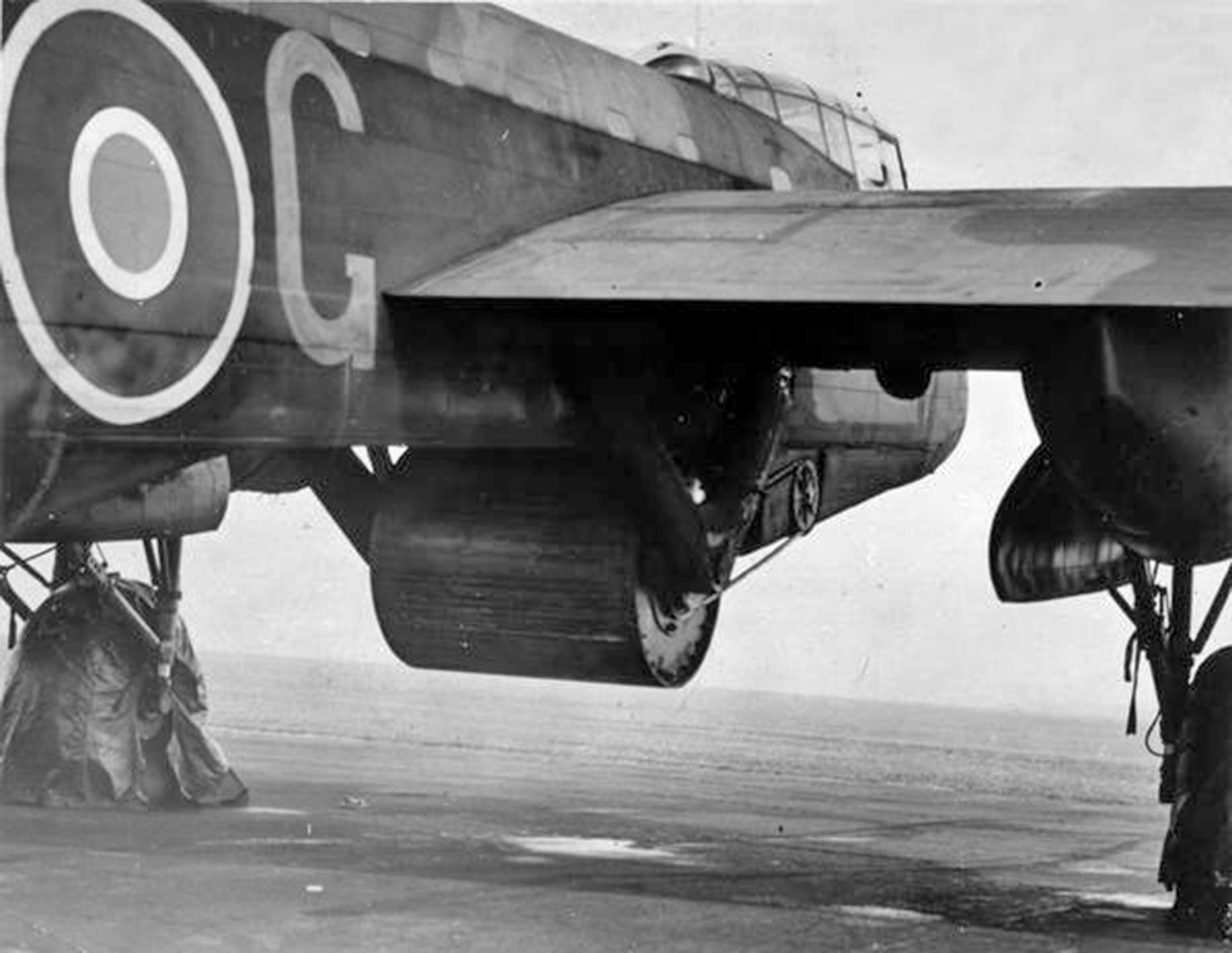
Upkeep in position under Gibson’s Lancaster with the spinning mechanism visible.
Images under Creative Commons licence, with thanks to the Imperial War Museum, Martin Richards, the RAF, the Crown and the UK Government.
Intro/outro Music, Coffee Fund theme music by Geoff Smith thegeoffsmith.com
Dr. Steph’s intro music by Nevil Bounds
Capt Nick’s intro music by Kevin from Norway (aka Kevski)
Doh De Oh by Kevin MacLeod is licensed under a Creative Commons Attribution license (https://creativecommons.org/licenses/by/4.0/)
Source: https://incompetech.com/music/royalty-free/index.html?isrc=USUAN1100255
Artist: https://incompetech.com/
Intro/outro Music, Coffee Fund theme music by Geoff Smith thegeoffsmith.com
Dr. Steph’s intro music by Nevil Bounds
Capt Nick’s intro music by Kevin from Norway (aka Kevski)
Doh De Oh by Kevin MacLeod is licensed under a Creative Commons Attribution license (https://creativecommons.org/licenses/by/4.0/)
Source: https://incompetech.com/music/royalty-free/index.html?isrc=USUAN1100255
Artist: https://incompetech.com/
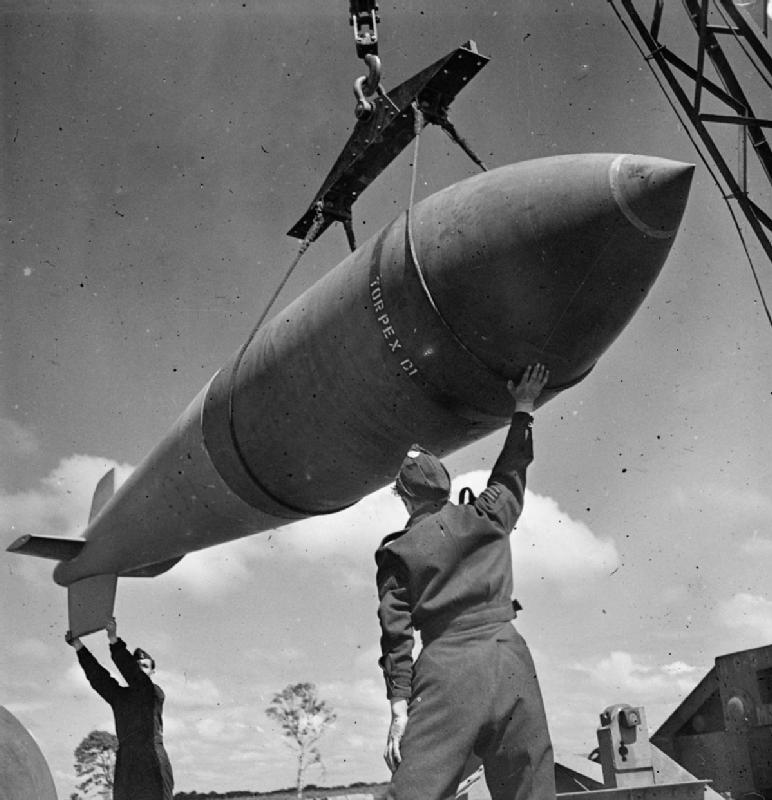
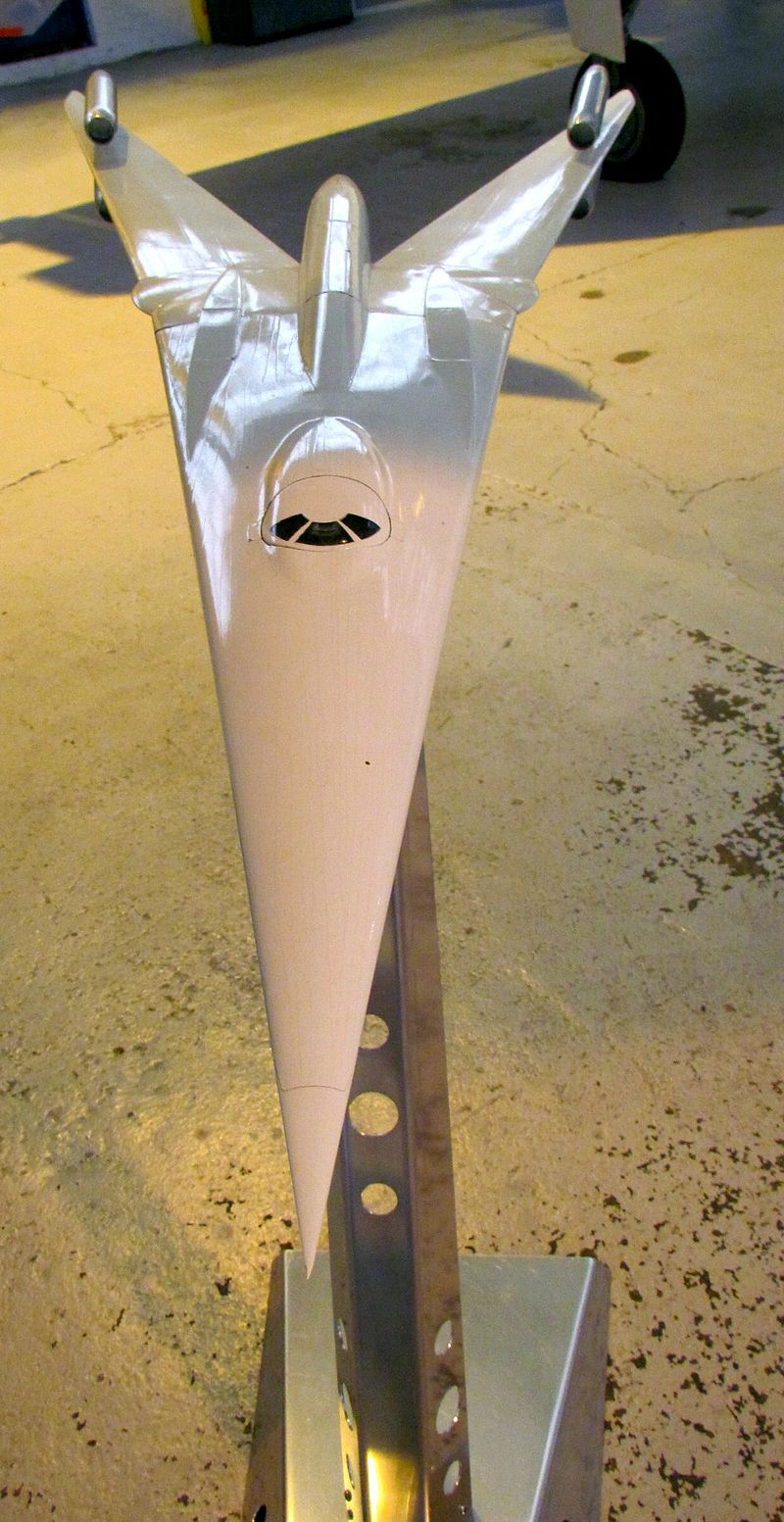
A man renown for his genius as a designer and inventor, Barnes Wallis turned his mind to helping Britain to win the Second World War by creating weapons that could defeat the industrial might of Germany. From his ten ton bomb Tall Boy to the bouncing bomb Upkeep, his remarkable talent ran from designing Airships to supersonic aircraft. This is his story.
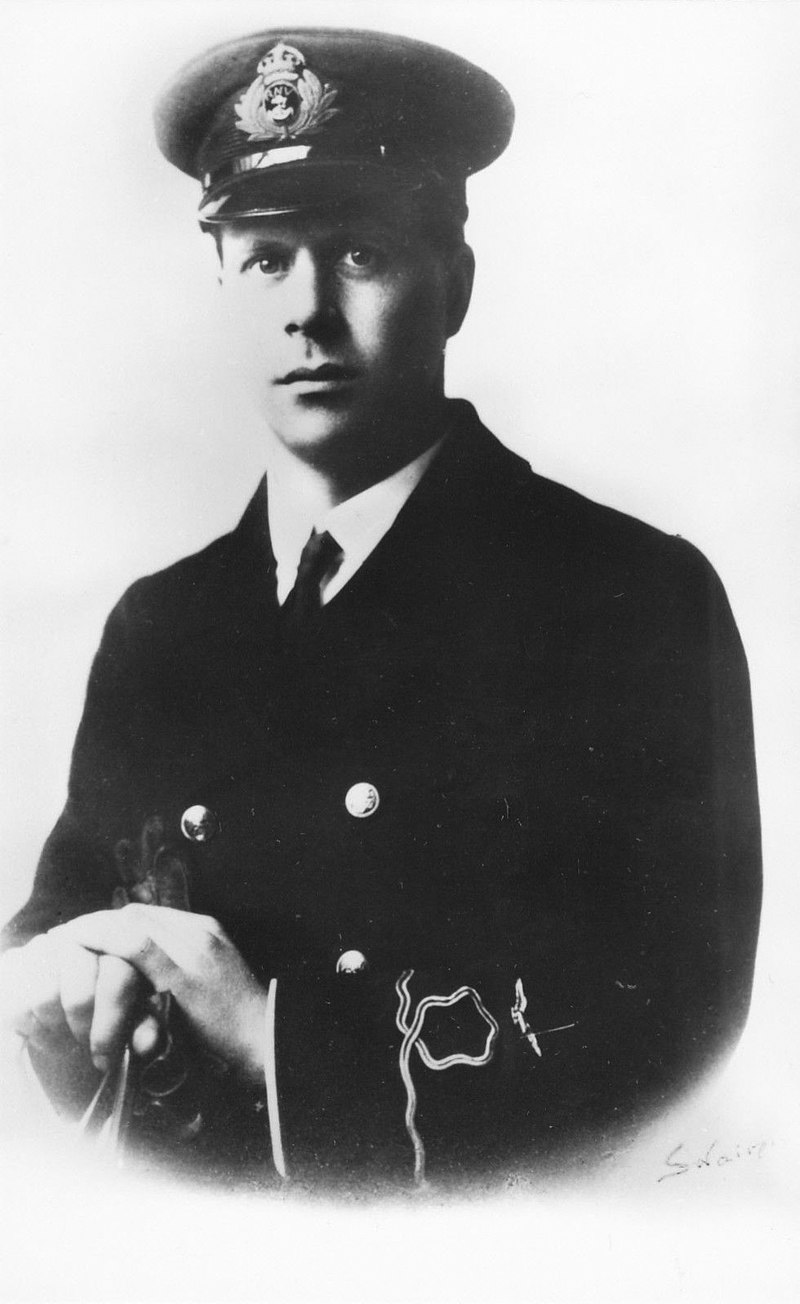
Barnes Wallis as a young man in Naval Service.
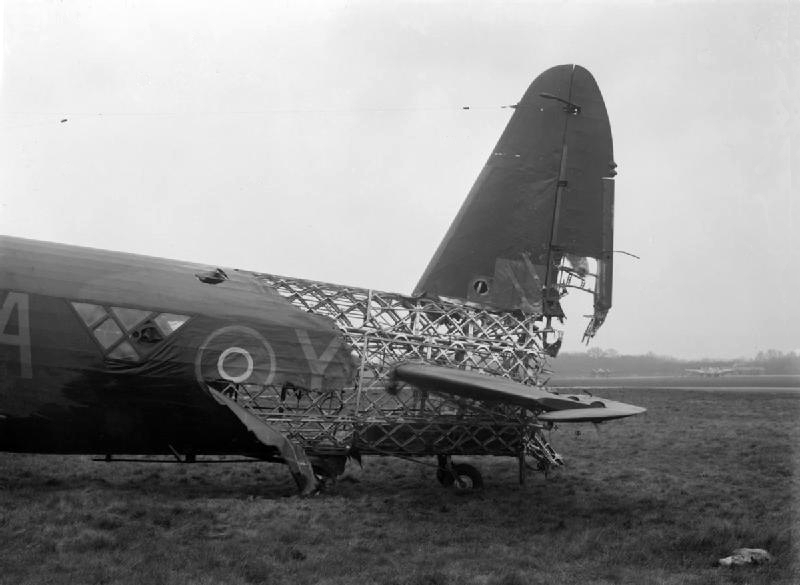
Wallis’s geodesic design employed in the Wellington bomber allowed it to survive despite enormous damage.
The huge Tall Boy bomb, designed to penetrate deep into the earth before exploding.
The Swallow. Designed by Wallis as a variable geometry supersonic aircraft.
Images under Creative Commons licence with thanks to the Royal Society on Twitter, The US Library of Congress, the Imperial War Museum, Royal Air Force and the RAF Museum Cosford.