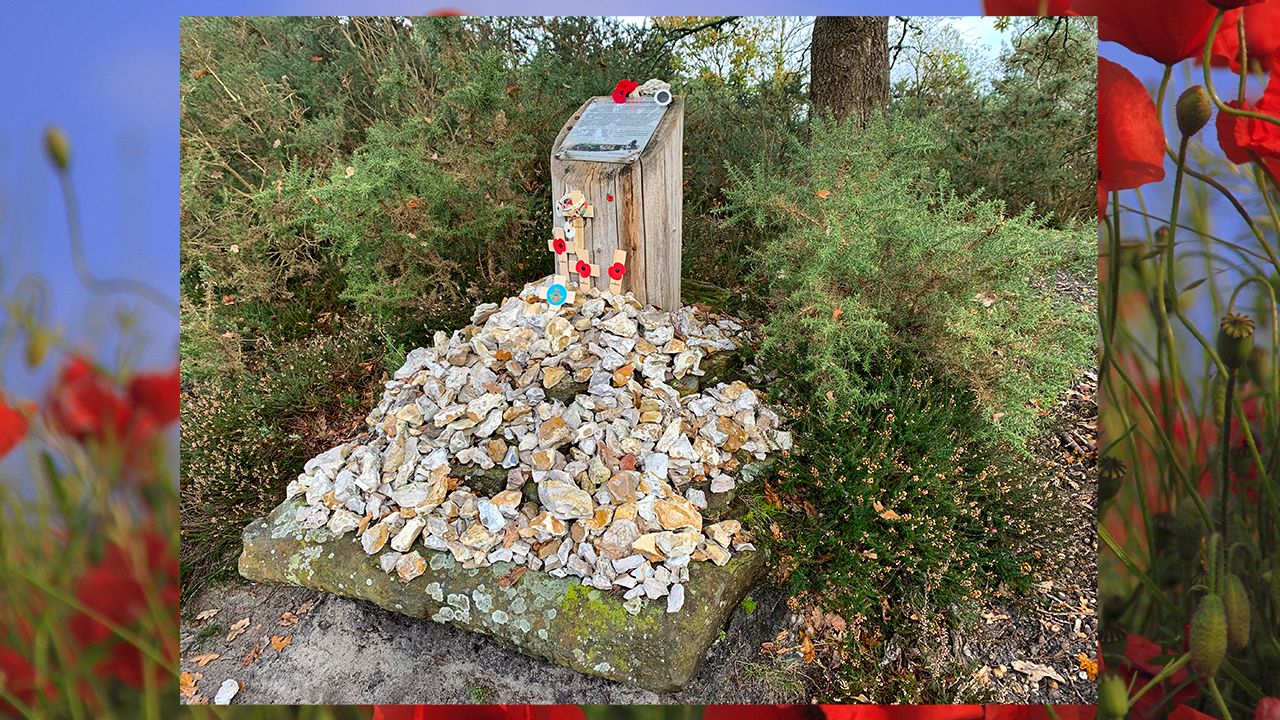
It was in the early predawn that Pilot Officer Richard Pryce Hughes crashed his aircraft on the heathland a little less than 500 yards from where I live. That was 78 years ago and I was yet to be born and where my house is was still a pine covered heathland. A marker has been erected to show the location of the crash and as we approach the 11th of the 11th my wife or I place a cross on the small monument in remembrance, lest we forget.
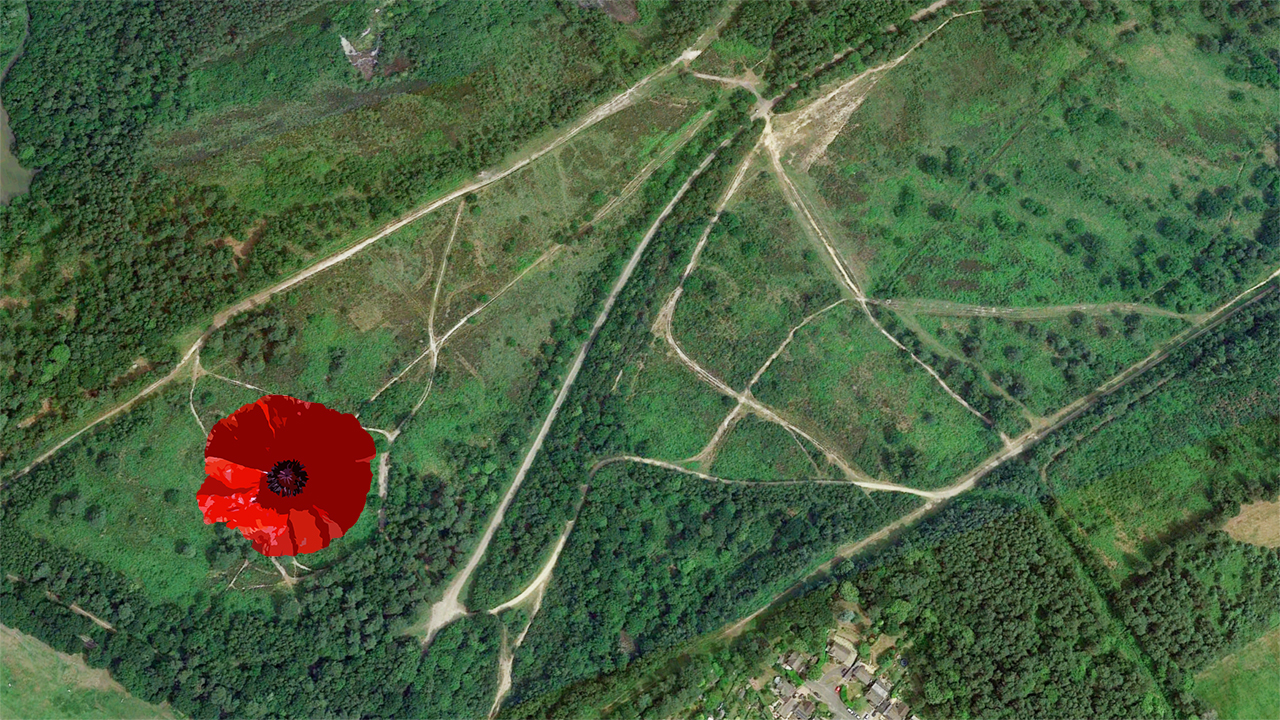
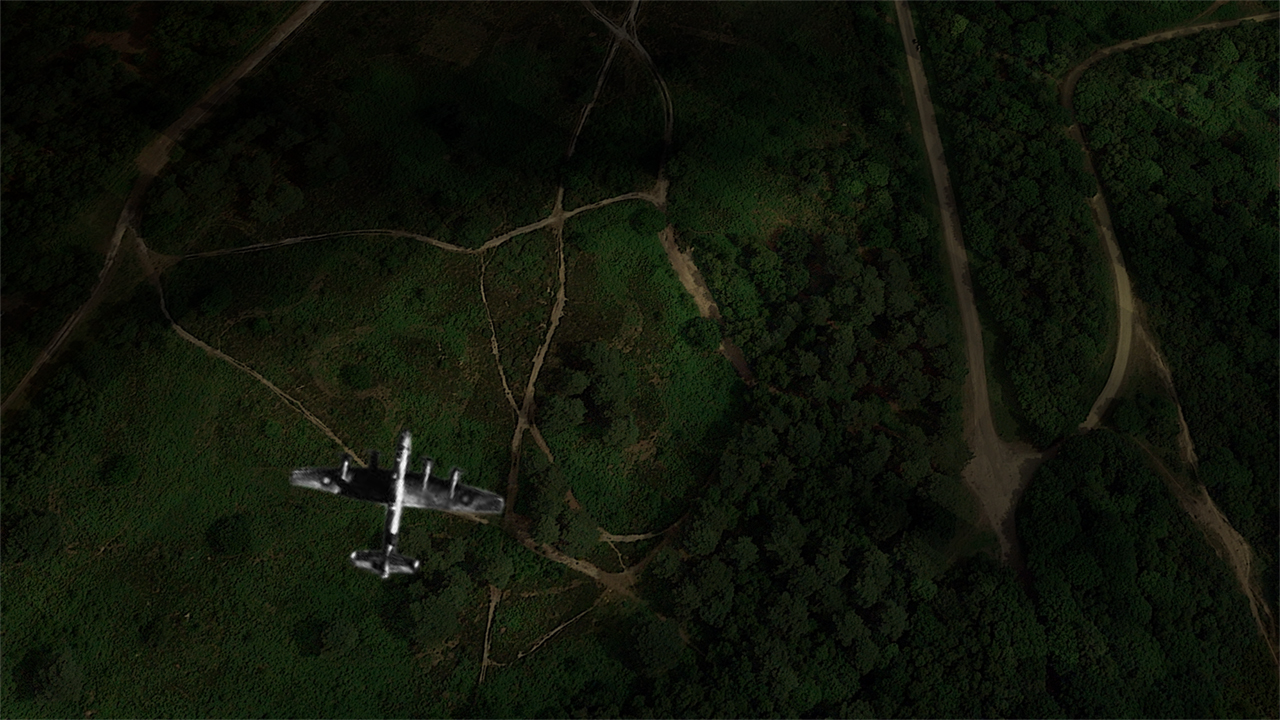
The heathland upon which Pilot Officer Richard Pryce Hughes crashed.
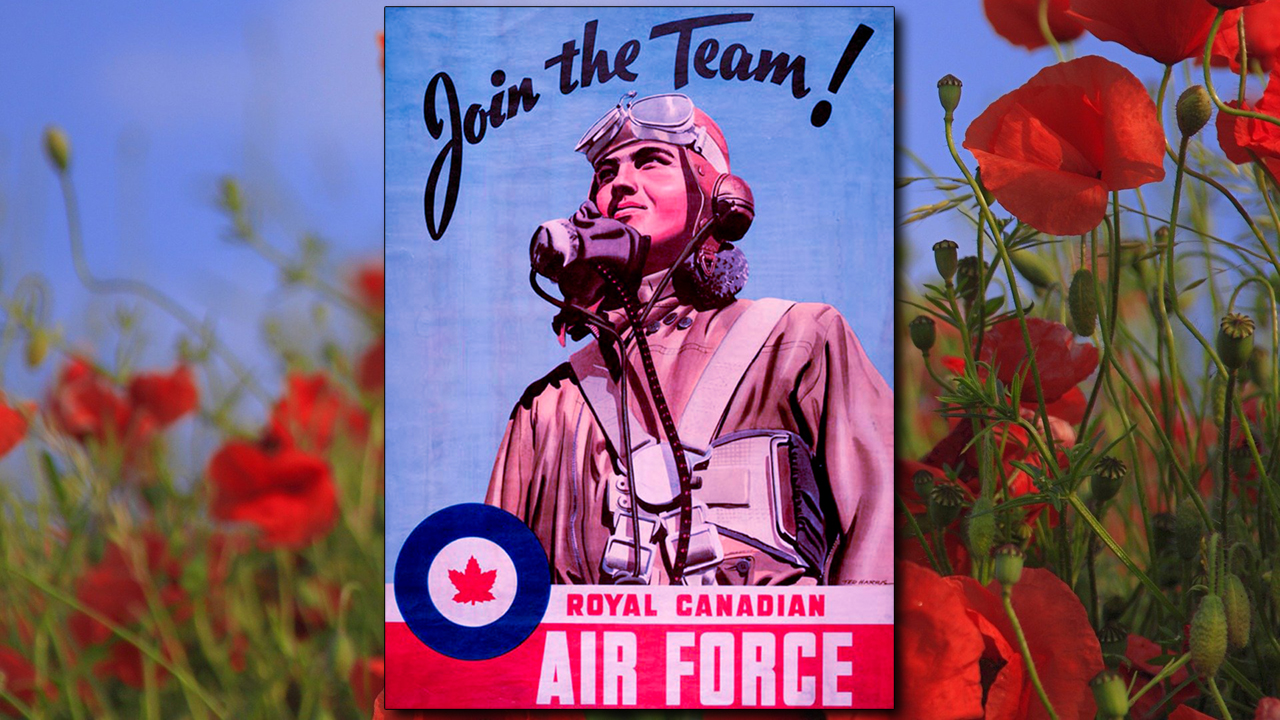
RCAF recruitment poster.
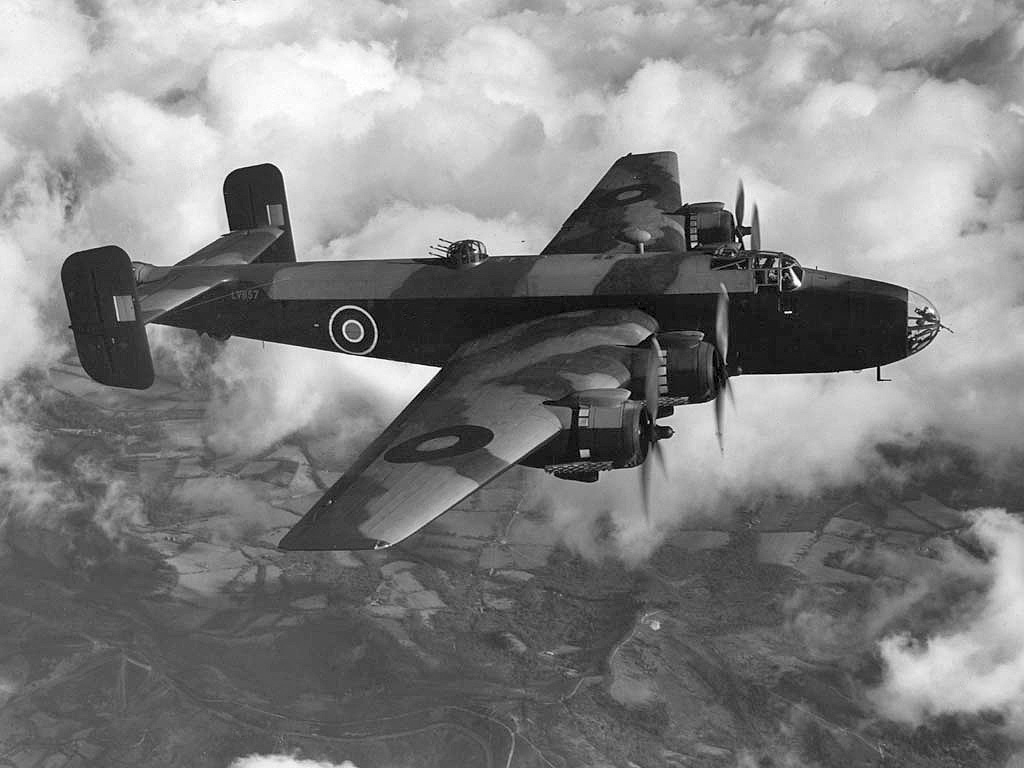
The Handley Page Halifax.
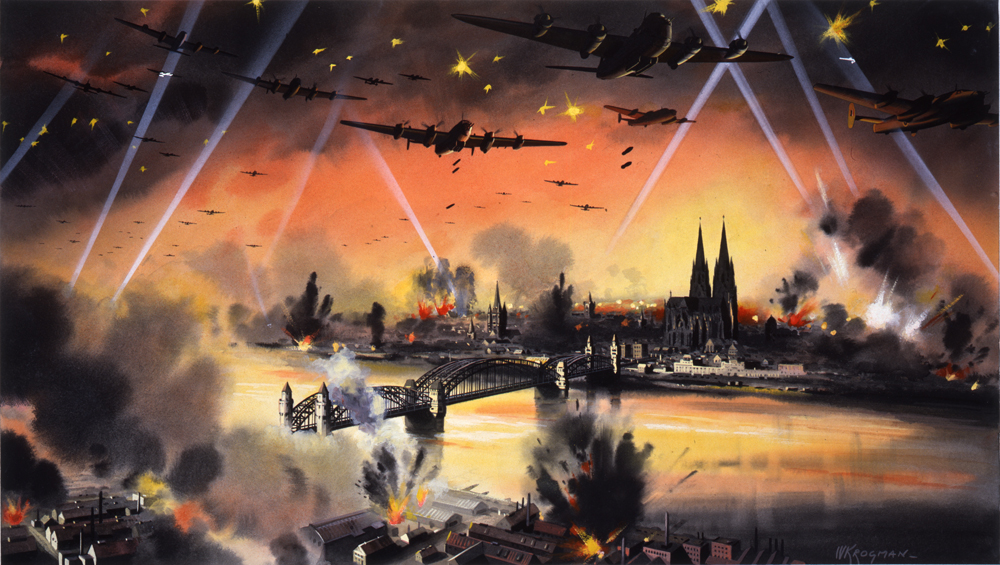
A painting depicting a 1,000 bomber raid.
The 10 Squadron winged arrow – approved by King George VI in September 1937.
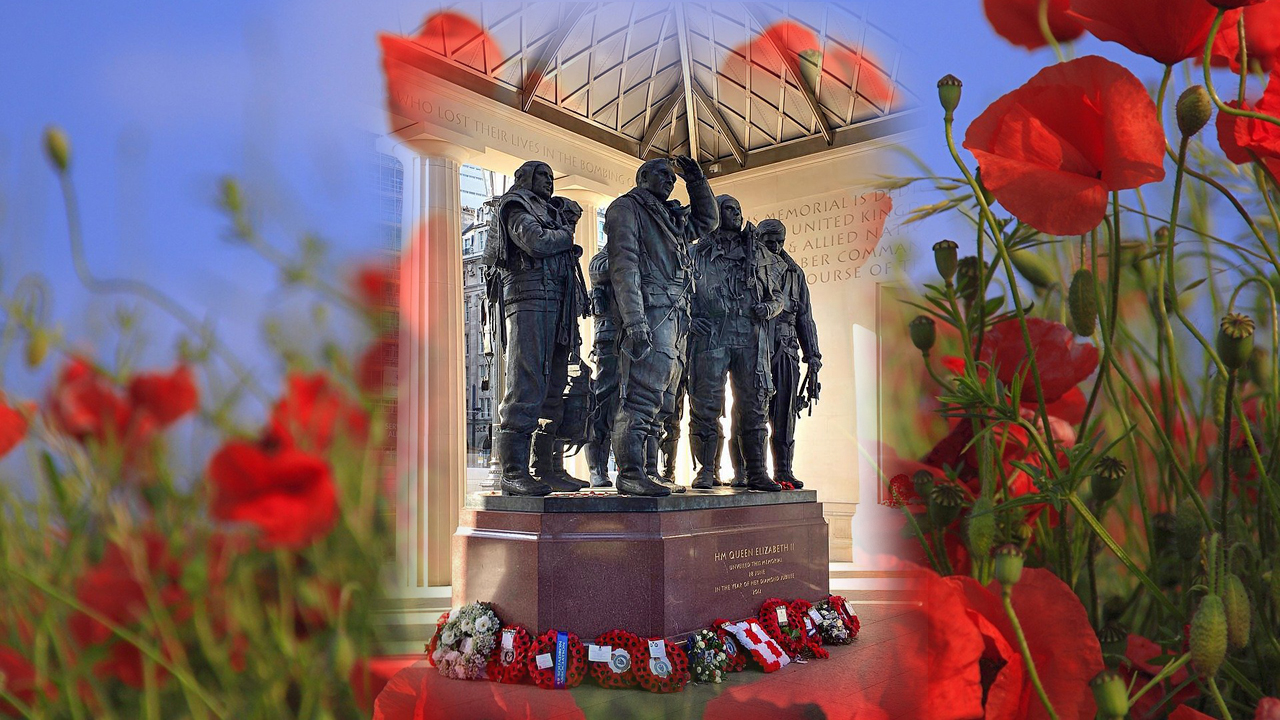
The Bomber Command memorial depicting a typical crew.
A Halifax during a raid.
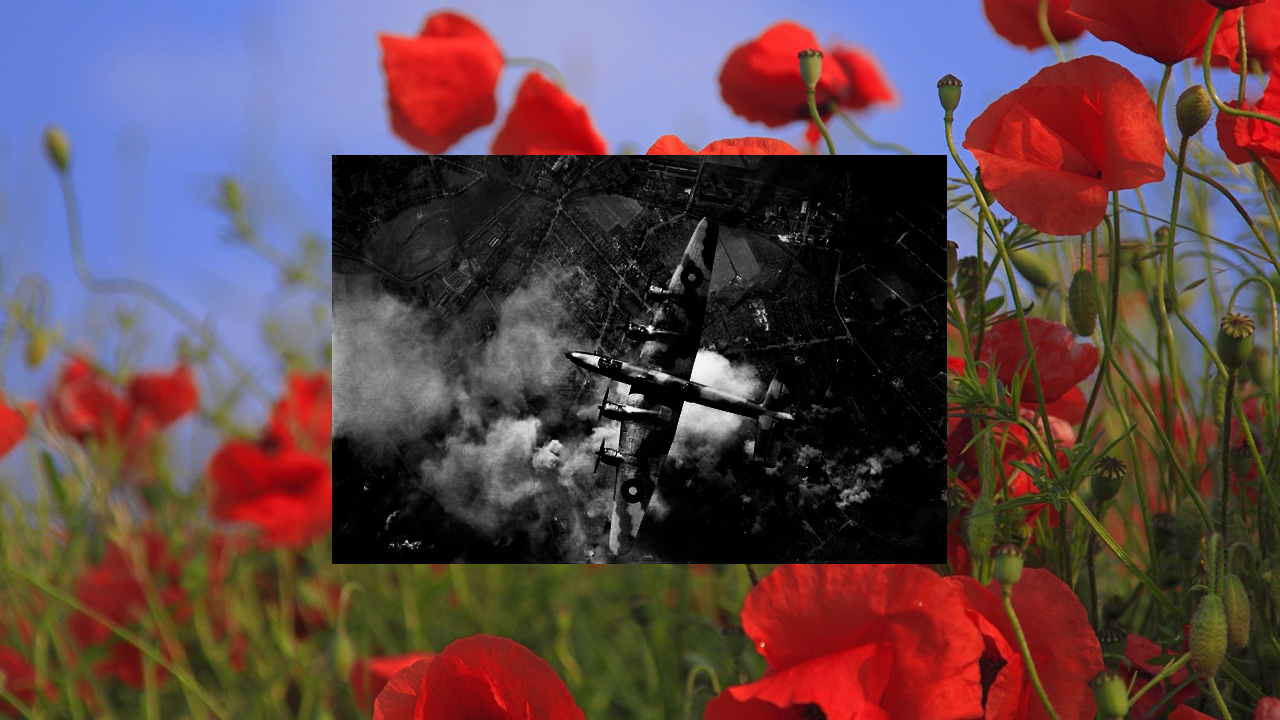
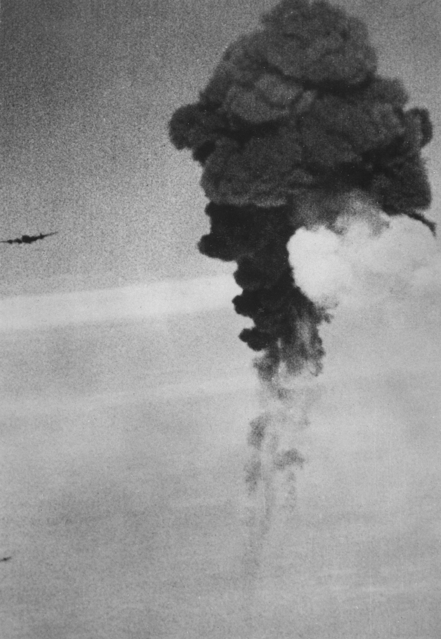
The fate of a heavy bomber hit by flak.
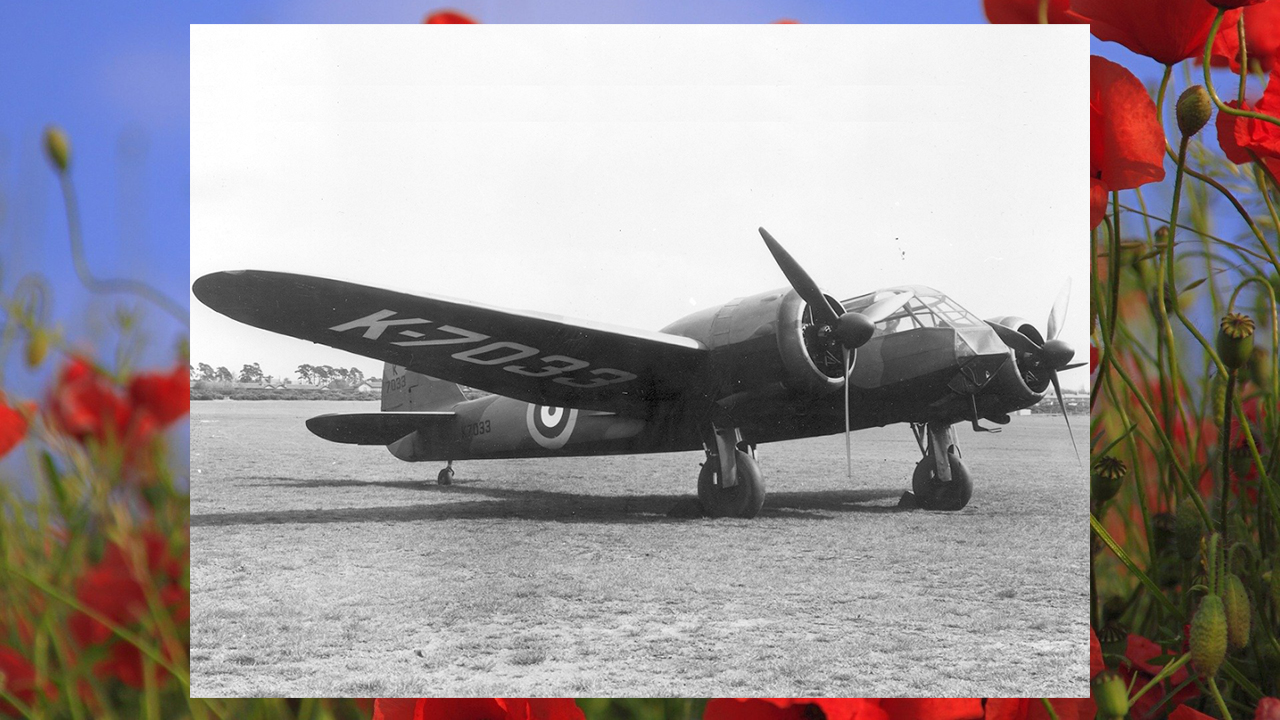
The Bristol Blenheim.
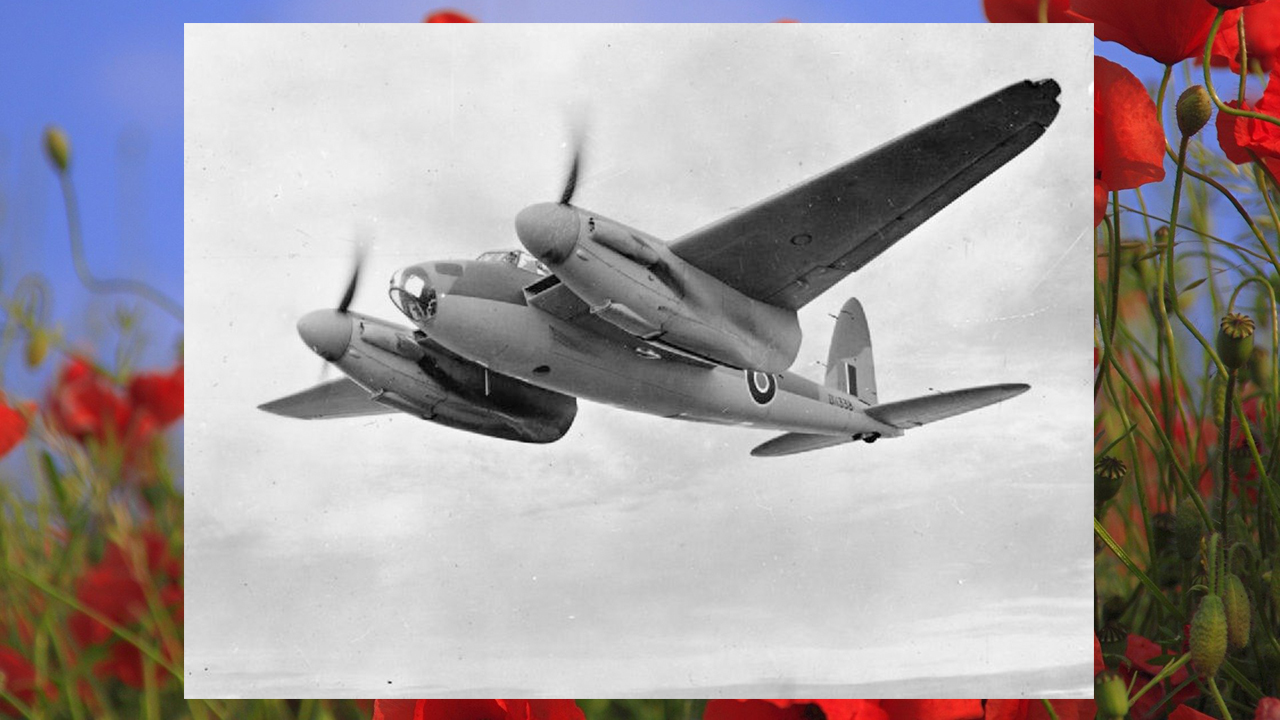
The De Havilland Mosquito.
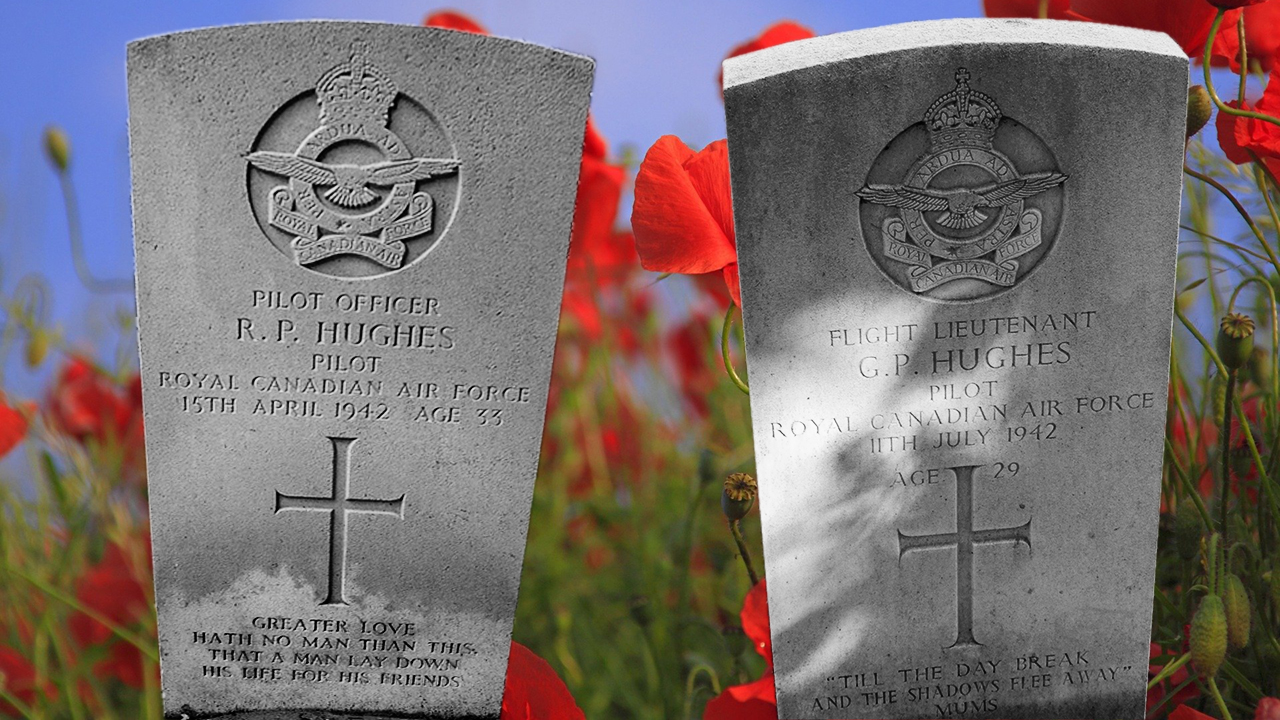
The graves of the two brave Hughes cousins.
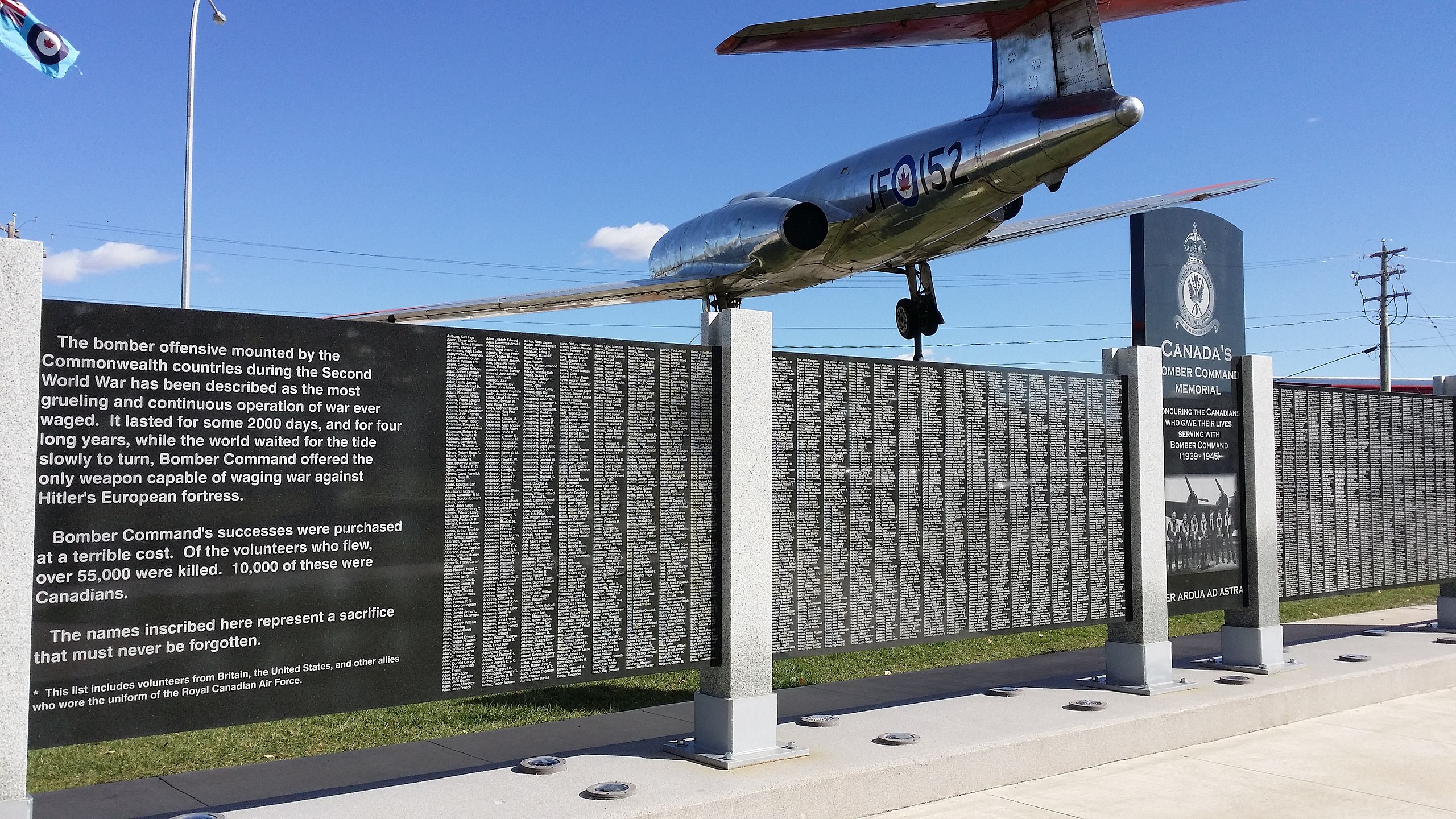
The Canadian memorial to their bomber crews at Nanton.
The marker placed in memory of Pilot Officer Richard Pryce Hughes.
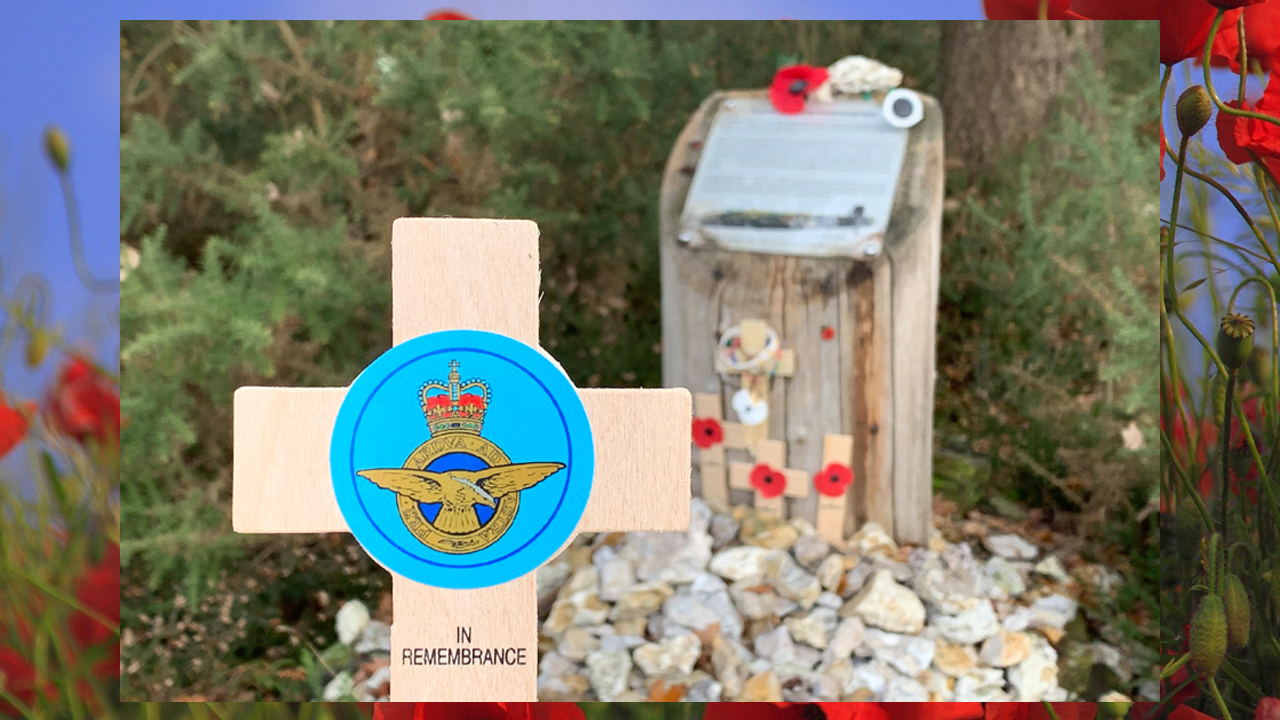
Each year as we approach the 11th of the 11th my wife or I place a cross on the marker in remembrance… lest we forget.
Images under Creative Commons licence with thanks to the Royal Air Force, the Ministry of Defence, Google Maps, the Royal Canadian Air Force.
Our crew today: Hosts Dr. Steph, Miami Rick, Captains Nick and Jeff, Producer/Director Liz. Join us for the latest in aviation news, your feedback, and this week’s Plane Tale: “Orford Ness.”
Intro/outro Music, Coffee Fund theme music by Geoff Smith thegeoffsmith.com
Dr. Steph’s intro music by Nevil Bounds
Capt Nick’s intro music by Kevin from Norway (aka Kevski)
Doh De Oh by Kevin MacLeod is licensed under a Creative Commons Attribution license (https://creativecommons.org/licenses/by/4.0/)
Source: https://incompetech.com/music/royalty-free/index.html?isrc=USUAN1100255
Artist: https://incompetech.com/
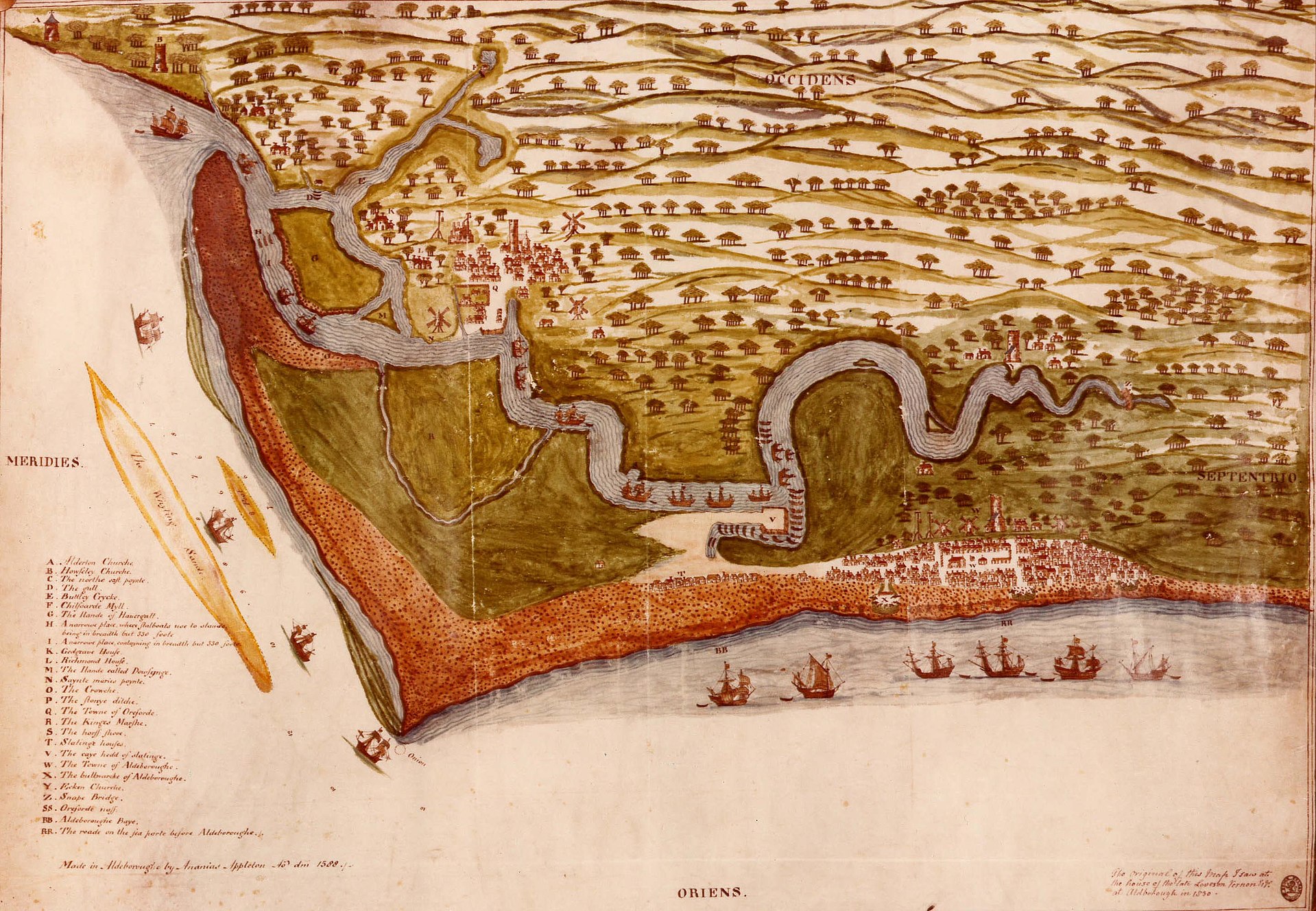
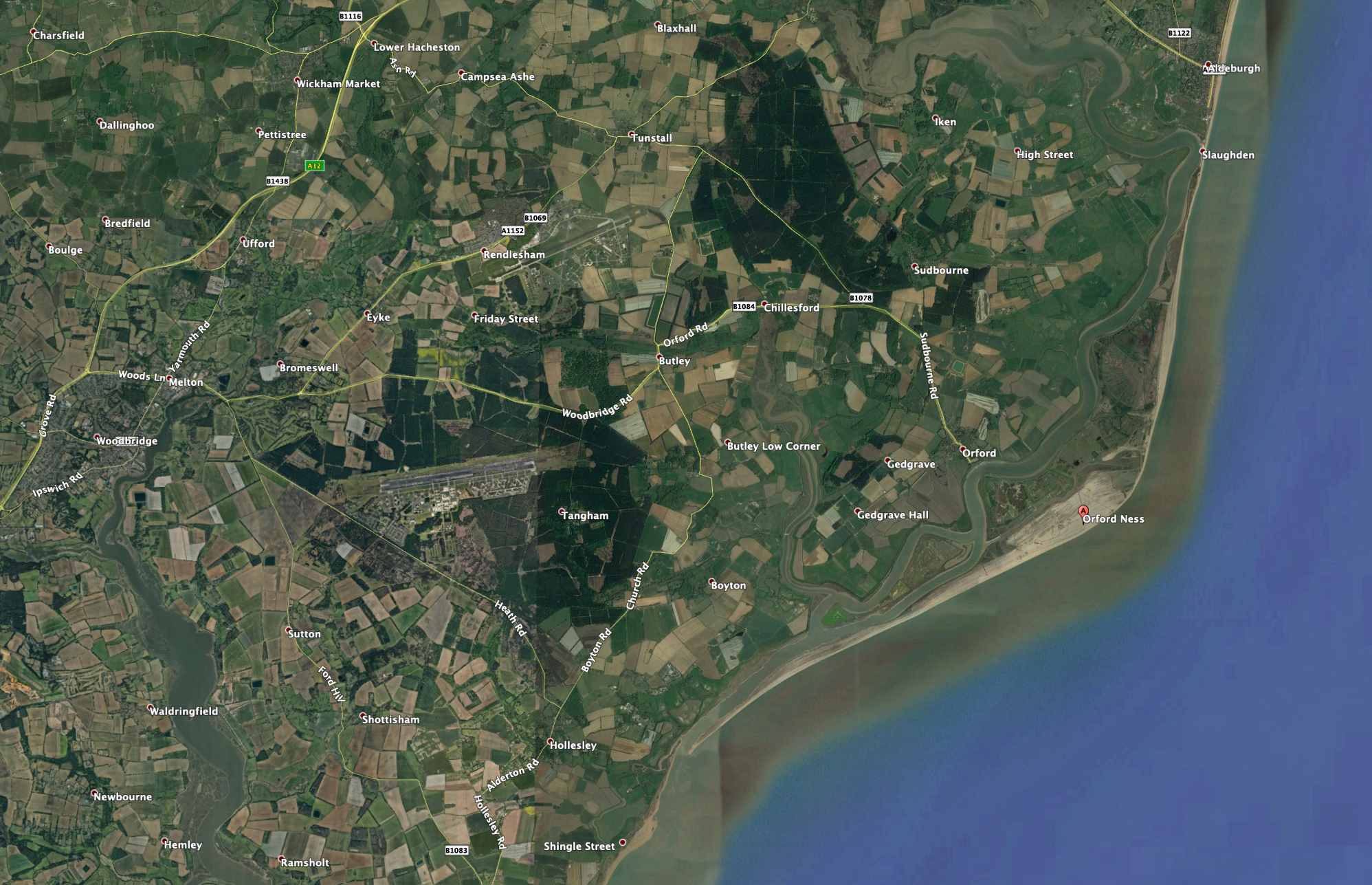
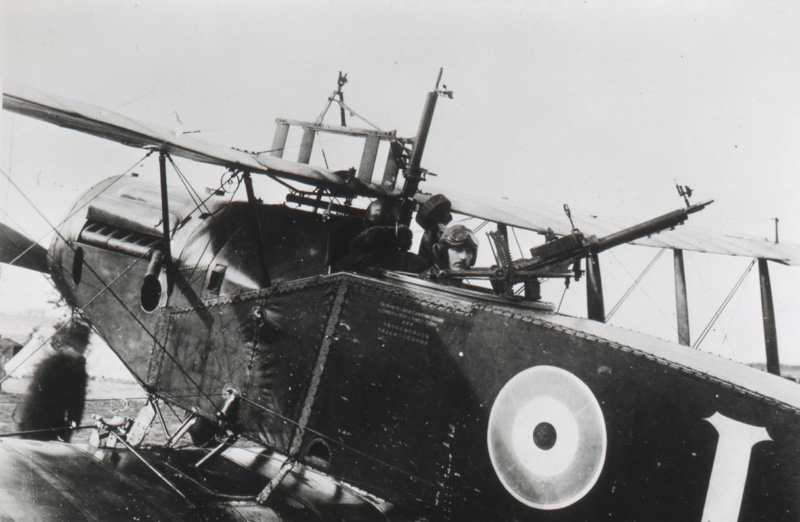
Orford Ness is a remote spit of marsh and shingle covered land that sticks out into the North Sea. Part of the chilly, windswept Suffolk coast of East England it became the secret location for a place where boffins could work on the latest experiments in aviation and nuclear weapons. It was also the place where one of the very last pilots to die in WW I would meet his end.
In ancient times, Orford Ness was home to smugglers!
Orford Ness in modern times, not far from Bungay!
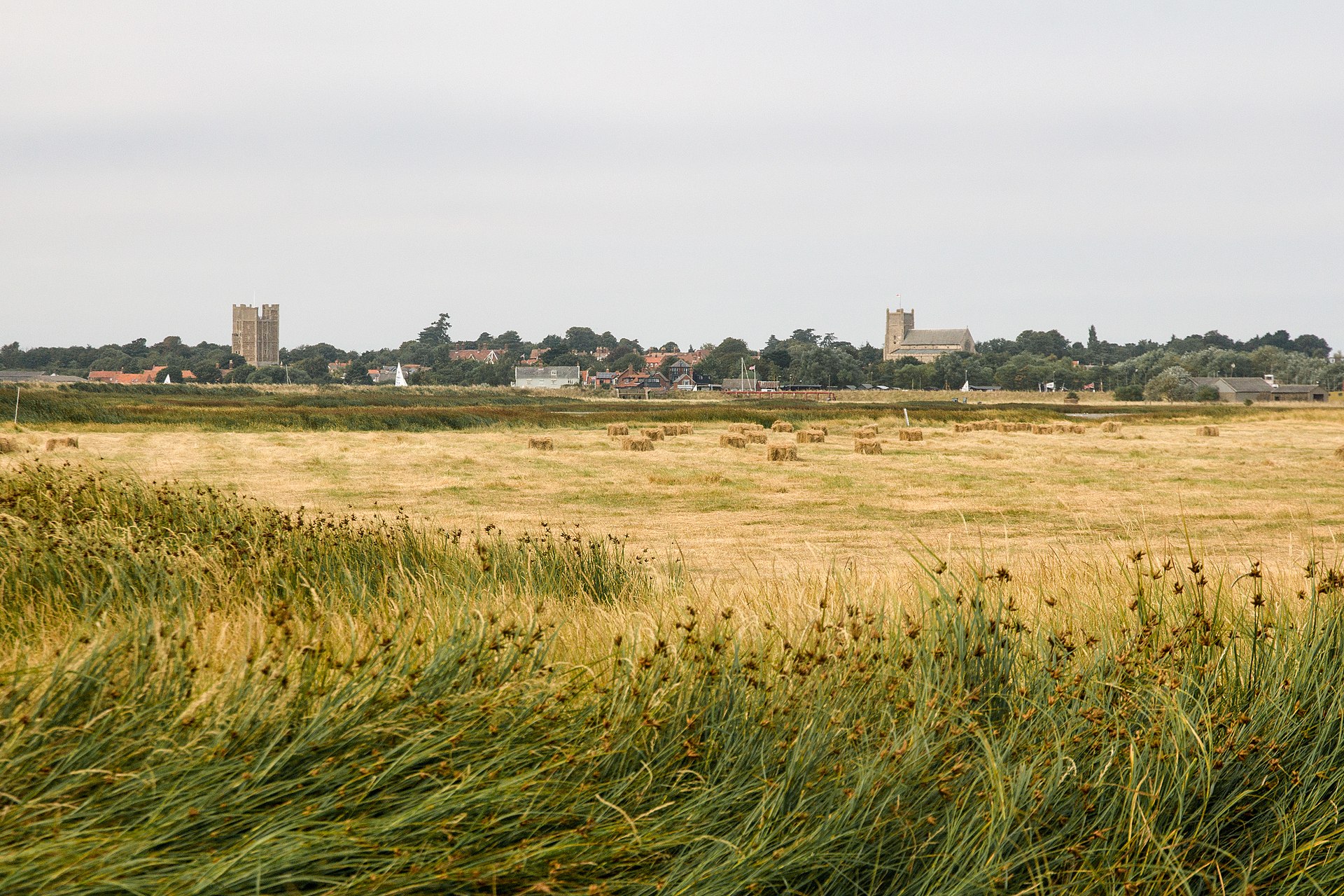
The village of Orford with its medieval castle and Norman church.
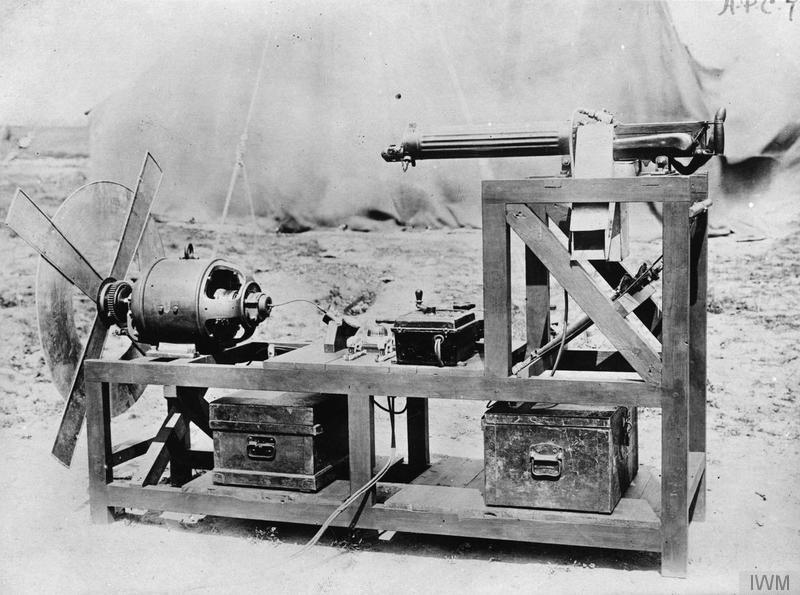
The RFC version of interrupter gear.
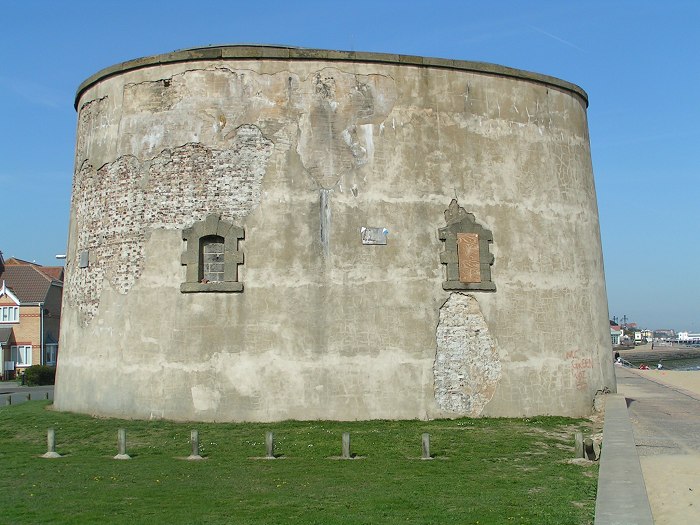
A Martello tower.
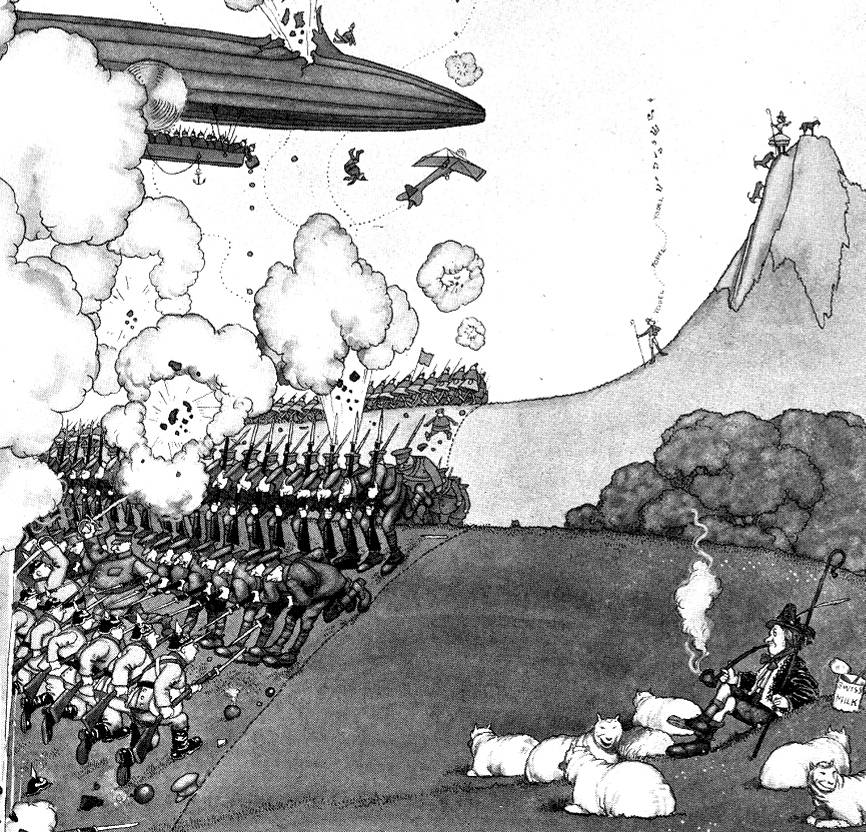
A Heath Robinson cartoon.
The Bristol Fighter.
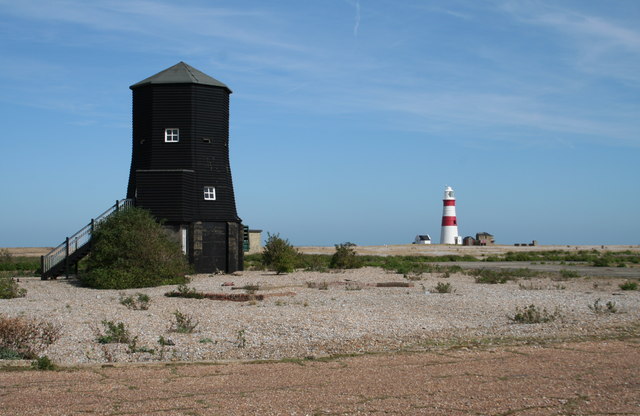
Beacon tower.
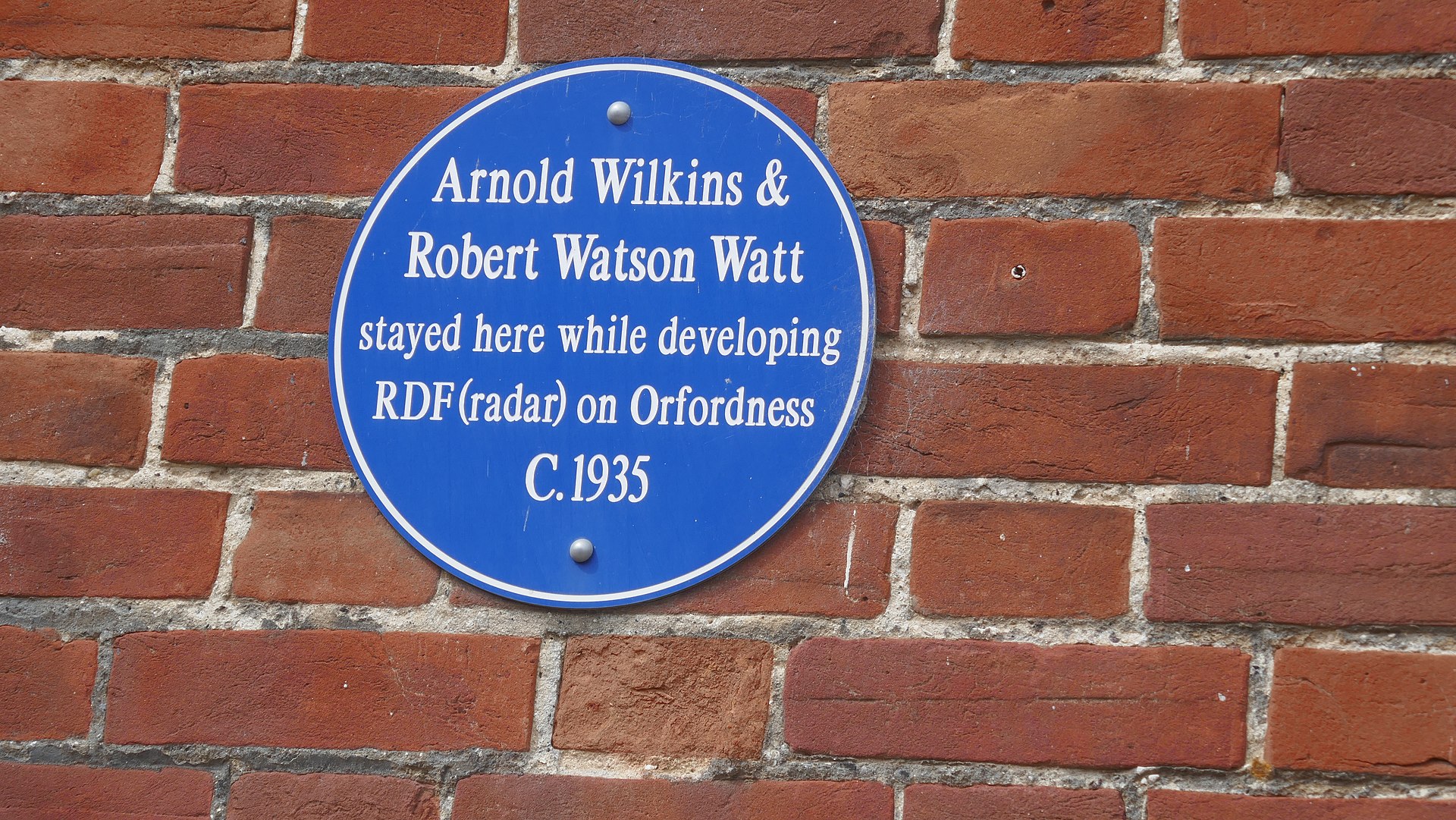
The Blue Plaque.
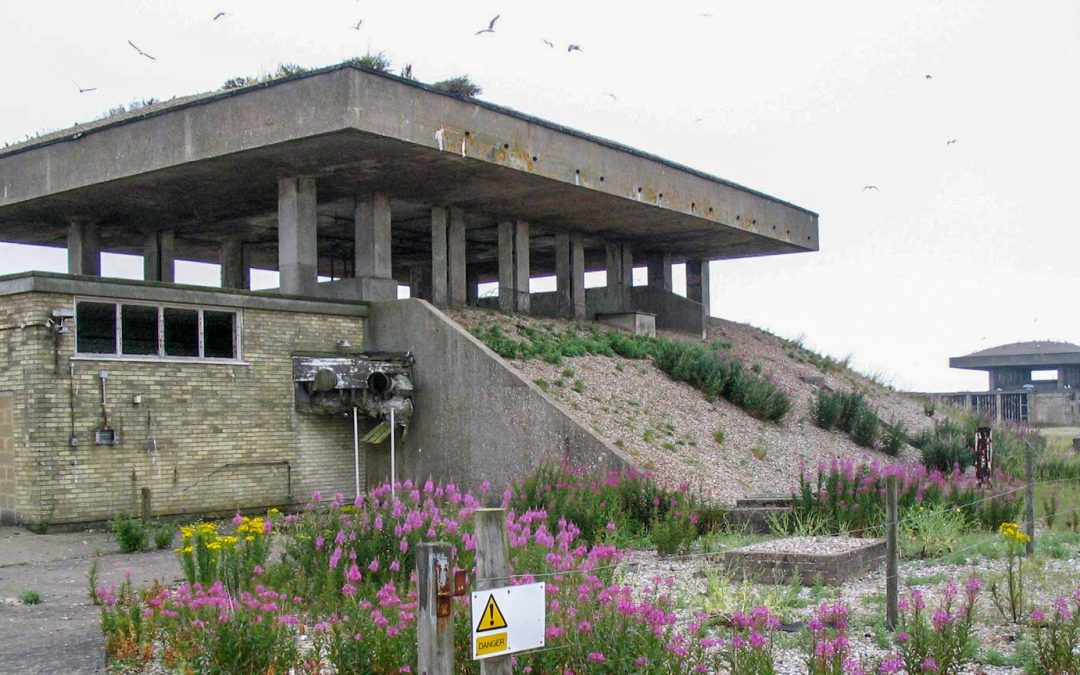
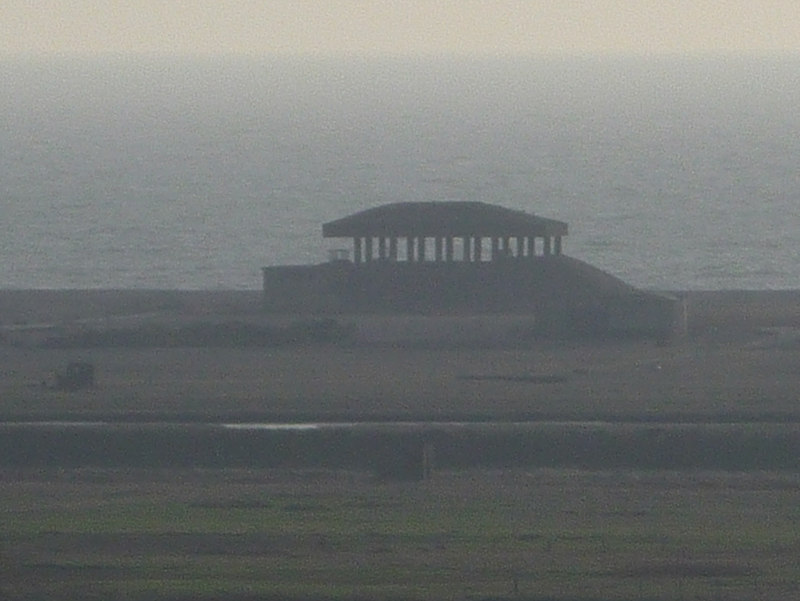
The Orford Ness Pagodas.
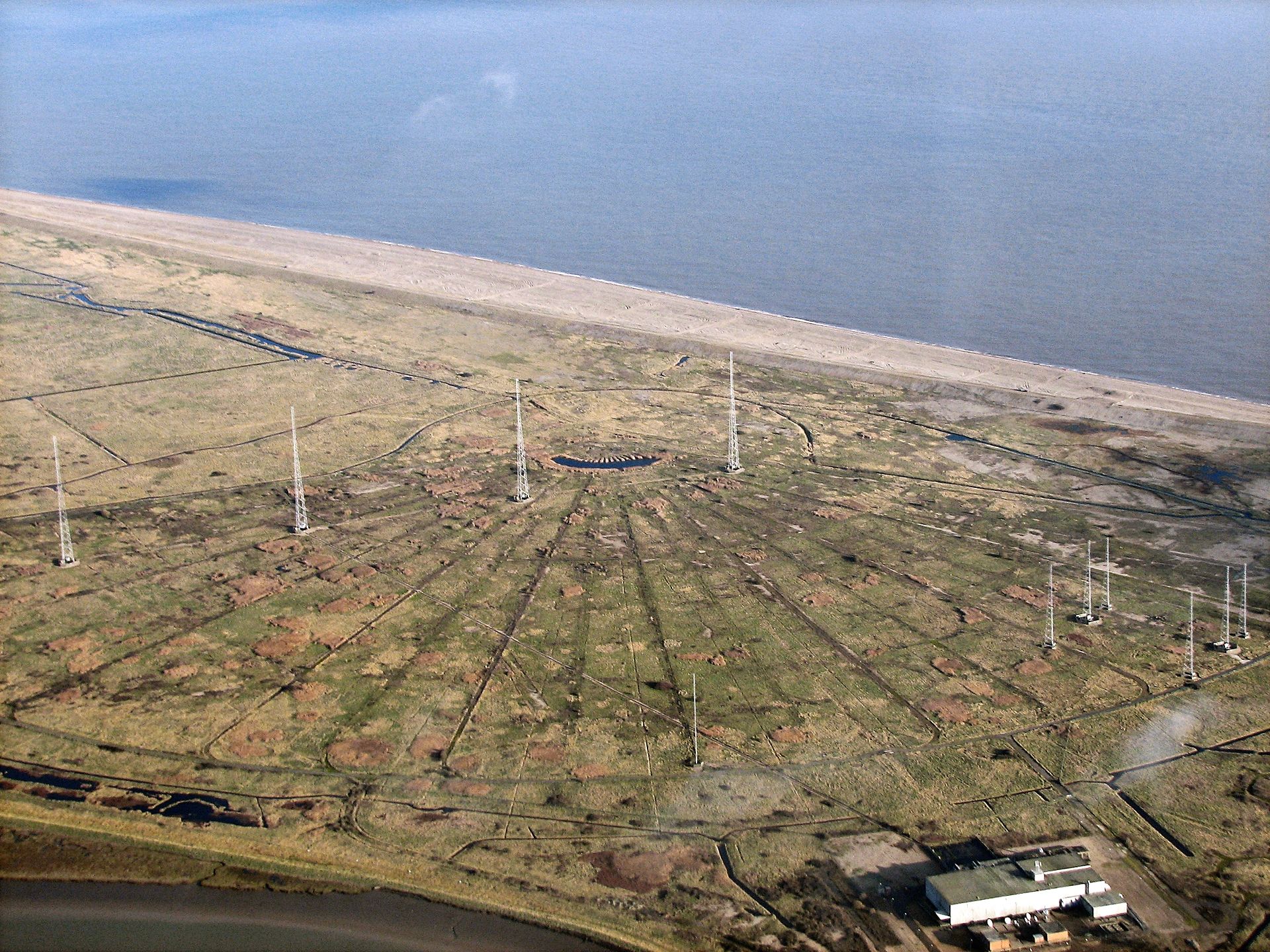
The experimental Over The Horizon radar codenamed Cobra.
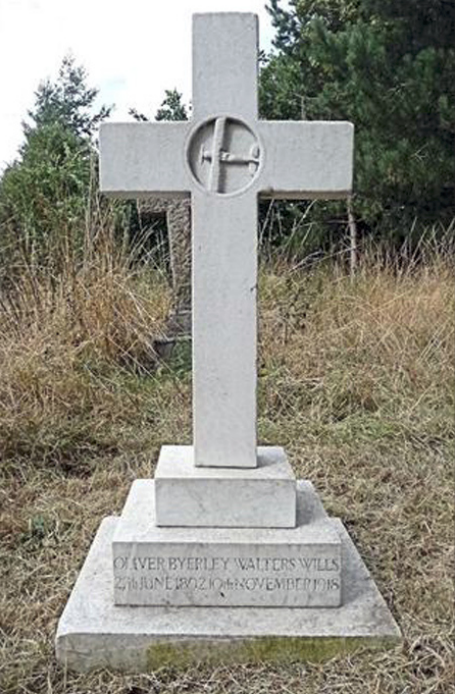
The grave of Lieutenant Oliver Byerley Walters Wills, R.F.C. who was killed at Orford Ness a few hours before the end of WW1.
Images under Creative Commons licence with thanks to Ananias Appleton, Google Maps, the RAF, Alesey Komarov, Andrew Helme, Peter Norman, George Wolfe and Chris Gunns.
Our crew today: Hosts Dr. Steph, Captains Nick and Jeff, Producer/Director Liz. Join us for the latest in aviation news, your feedback, and this week’s Plane Tale: “You Couldn’t Give ‘Em Away!.”
Intro/outro Music, Coffee Fund theme music by Geoff Smith thegeoffsmith.com
Dr. Steph’s intro music by Nevil Bounds
Capt Nick’s intro music by Kevin from Norway (aka Kevski)
Doh De Oh by Kevin MacLeod is licensed under a Creative Commons Attribution license (https://creativecommons.org/licenses/by/4.0/)
Source: https://incompetech.com/music/royalty-free/index.html?isrc=USUAN1100255
Artist: https://incompetech.com/
I’ve done plenty of Tales about the triumphant aircraft of World War 2 that fought in the skies over Europe, Africa Russia and the Far East. Quite naturally, I guess, not so much is known about the horrible failures. Not all of the aircraft we will look at were quite that bad… many were just misguided ideas, old designs or put into the wrong role!
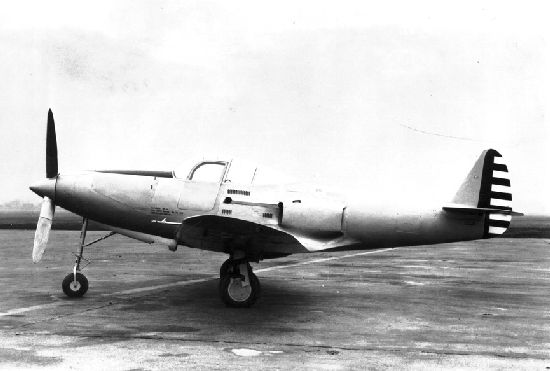
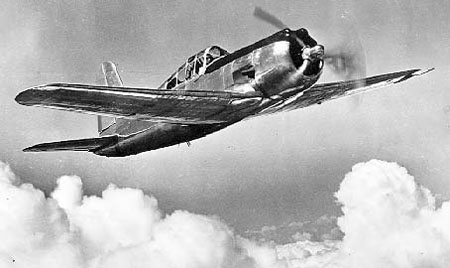
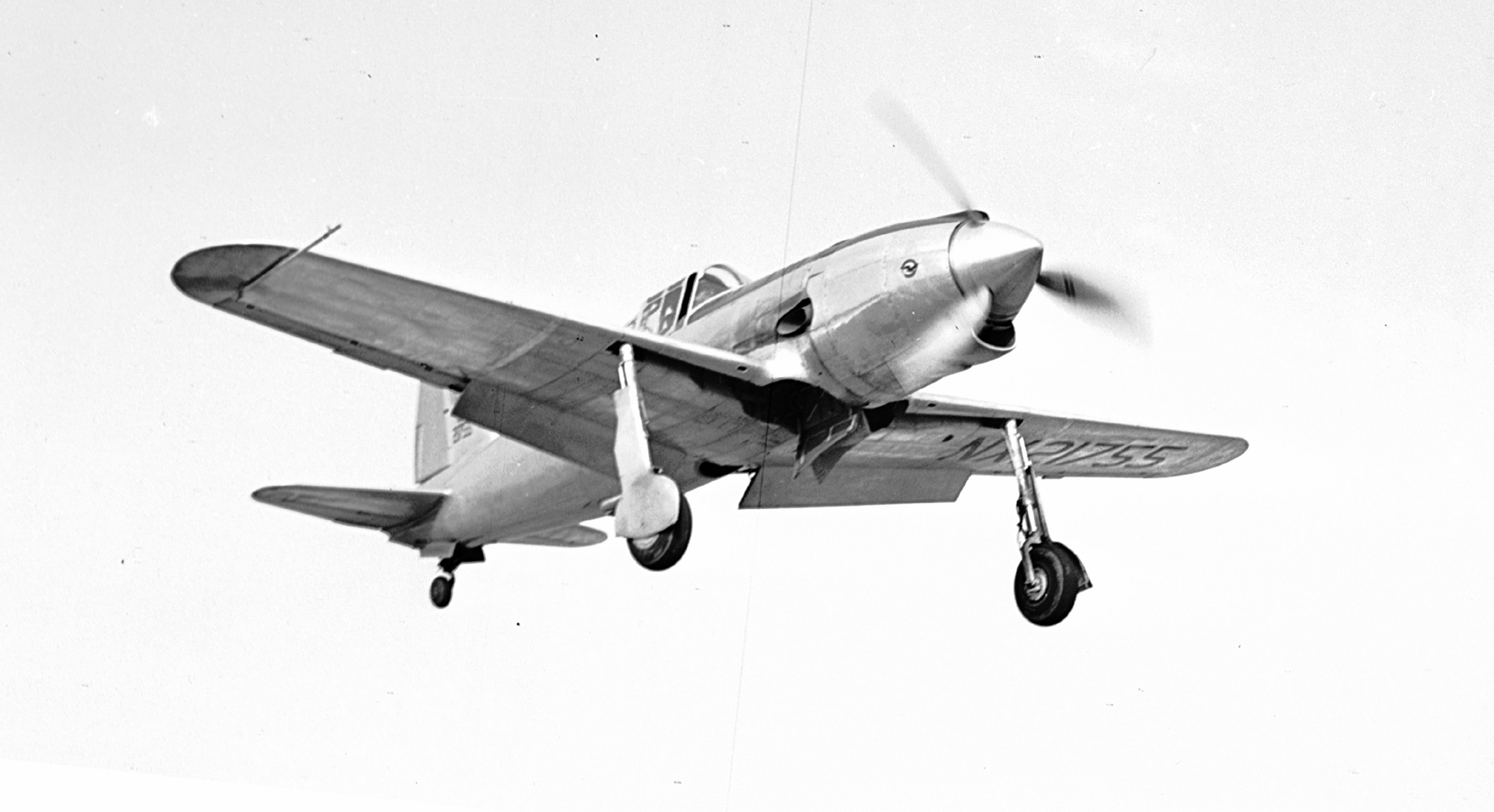
Vultee P-66 Vanguard.
The Vanguard with its original cowling design which gave insufficient cooling to the big radial engine.
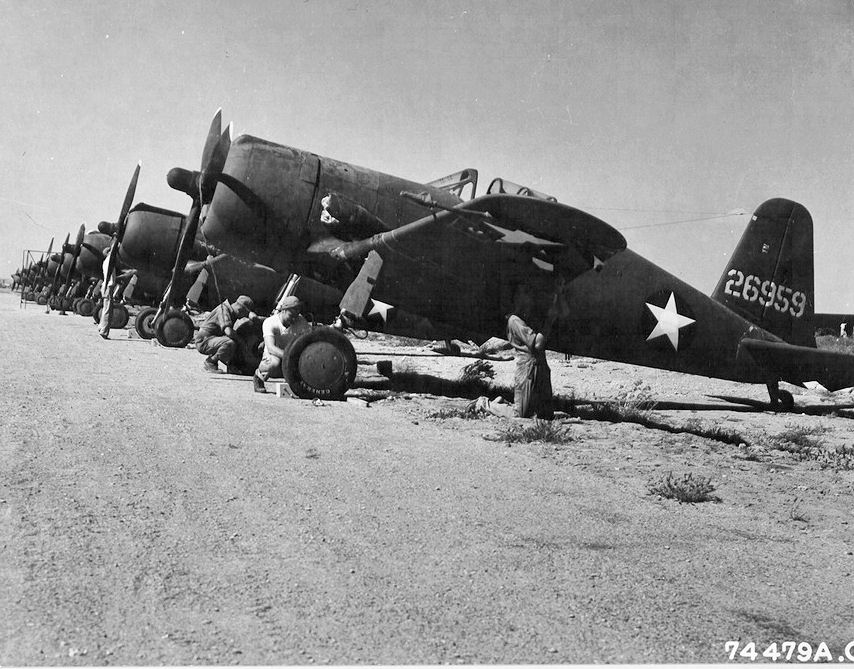
The Vanguards at Karachi during their ill fated transit to China.
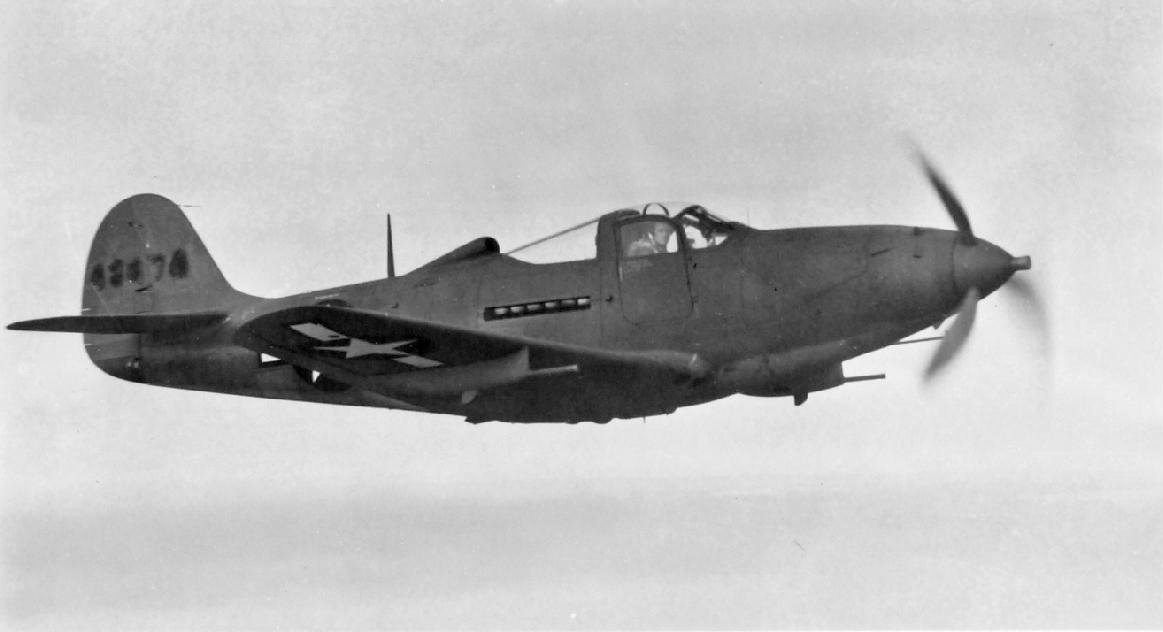
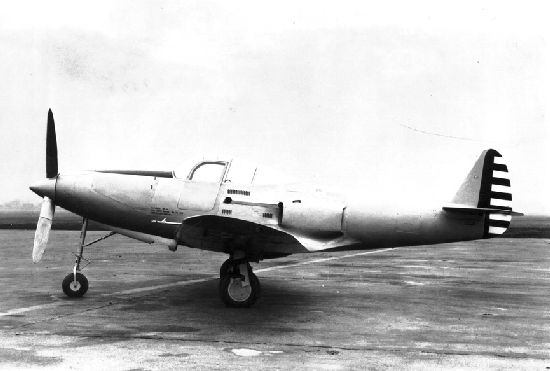
The Bell P39Q Airacobra.
The Airacobra with the big supercharger cooling vents that created so much drag.
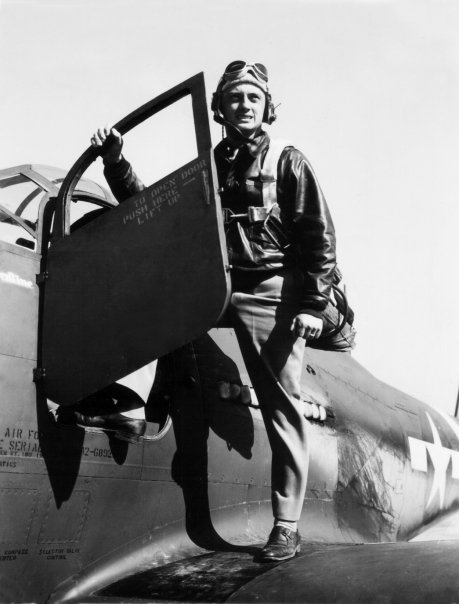
The rather unusual, for a fighter that is, Airacobra cockpit door.
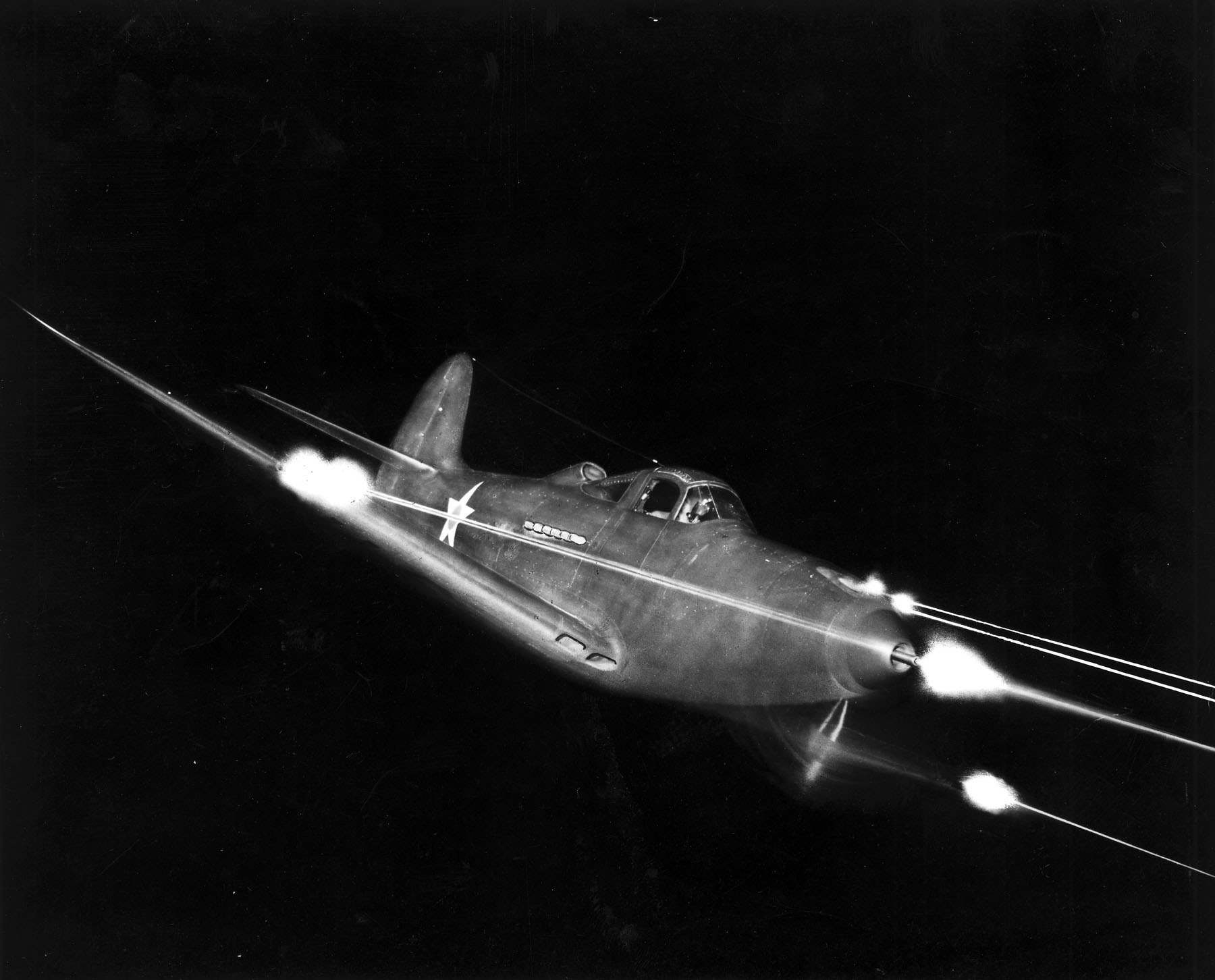
Guns blazing, the Airacobra was indeed quite well armed.
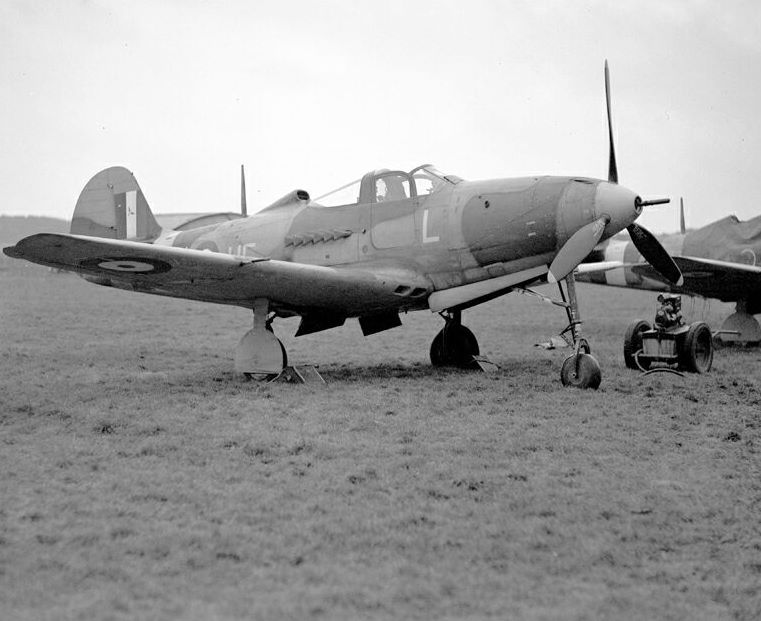
The RAF 601 Sqn with their renamed Caribou (Airacobra)… not much admired, the soon requipped with Spitfires.
Images under Creative Commons licence with thanks to SADSM, USAF, Bill Larkins, WMFerguson, National Museum of the Air Force and the RAF.